NEWS
PUBLICATIONS
NEW MANUSCRIPT IN NATURE CHEMICAL BIOLOGY
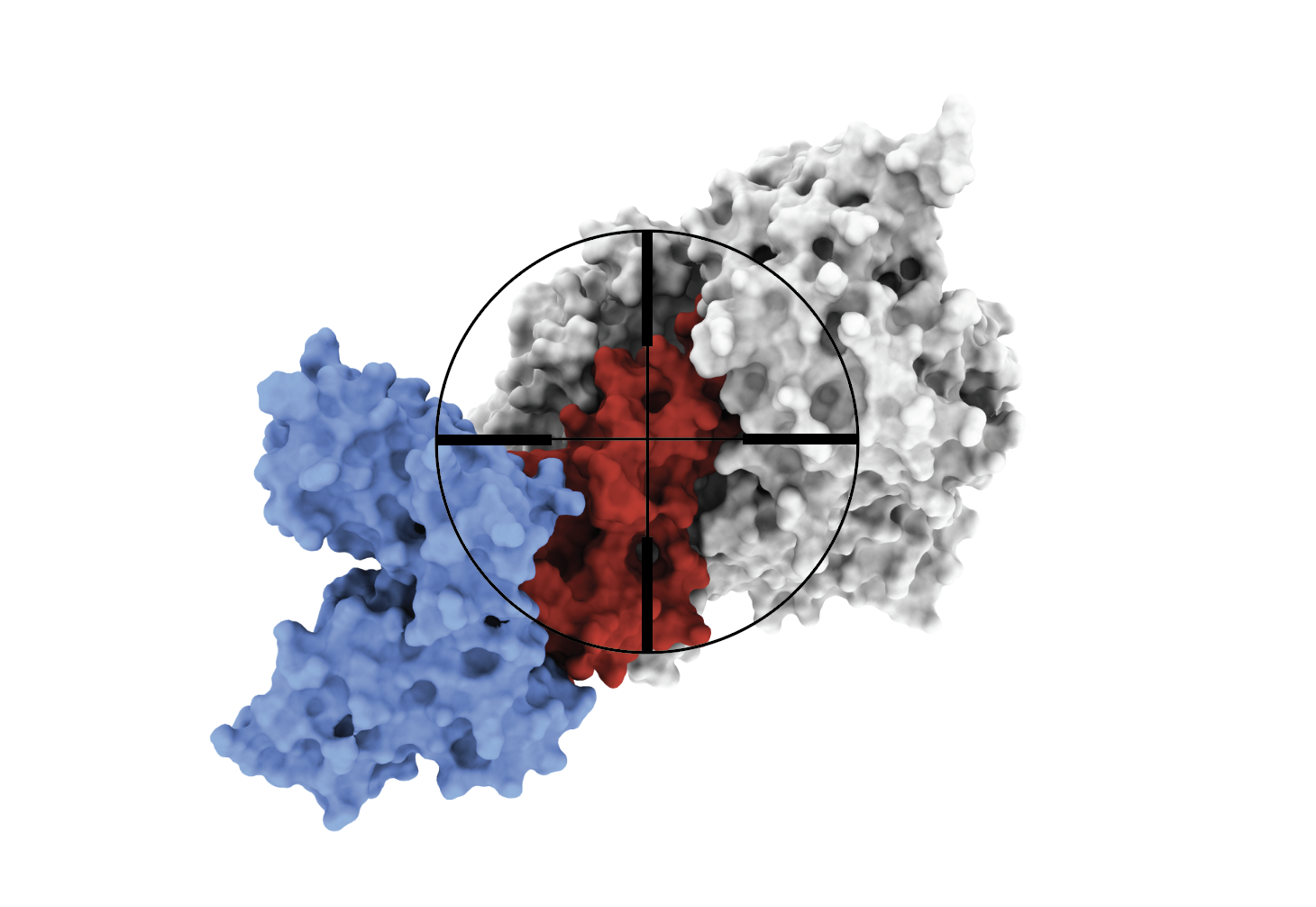
We are thrilled to announce the publication of our latest manuscript detailing a novel, scalable approach to identifying molecular glue degraders. By leveraging sulfur(VI) fluoride exchange-based high-throughput chemistry (HTC) to append structurally diverse building blocks to existing ligands, we identified novel degraders for ENL—a critical target in leukemia—and successfully unlocked the E3 ligase FBXO3 for degradation. This work was a fantastic collaboration with the Michael Erb lab, led on our end by PhD student Miquel Muñoz i Ordoño.
February 2026
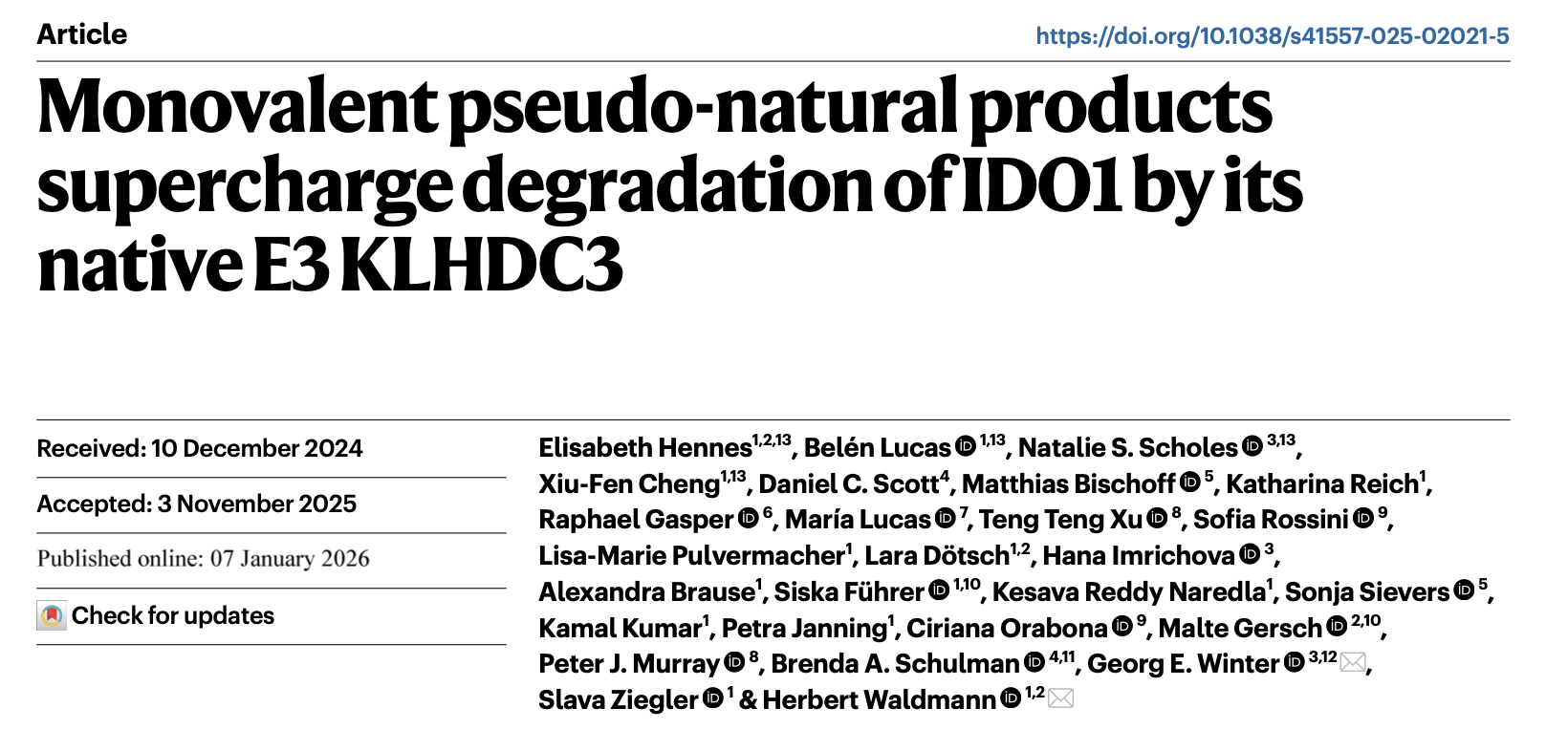
NEW MANUSCRIPT IN NATURE CHEMISTRY
We are excited to share that our manuscript describing small molecules that induce degradation of the dioxygenase IDO1, an important therapeutic target in immuno-oncology, has been published in Nature Chemistry. This work was a fantastic collaboration with the laboratories of Brenda Schulman and Herbert Waldmann and was led by former postdoctoral fellow Natalie Scholes.
January 2026
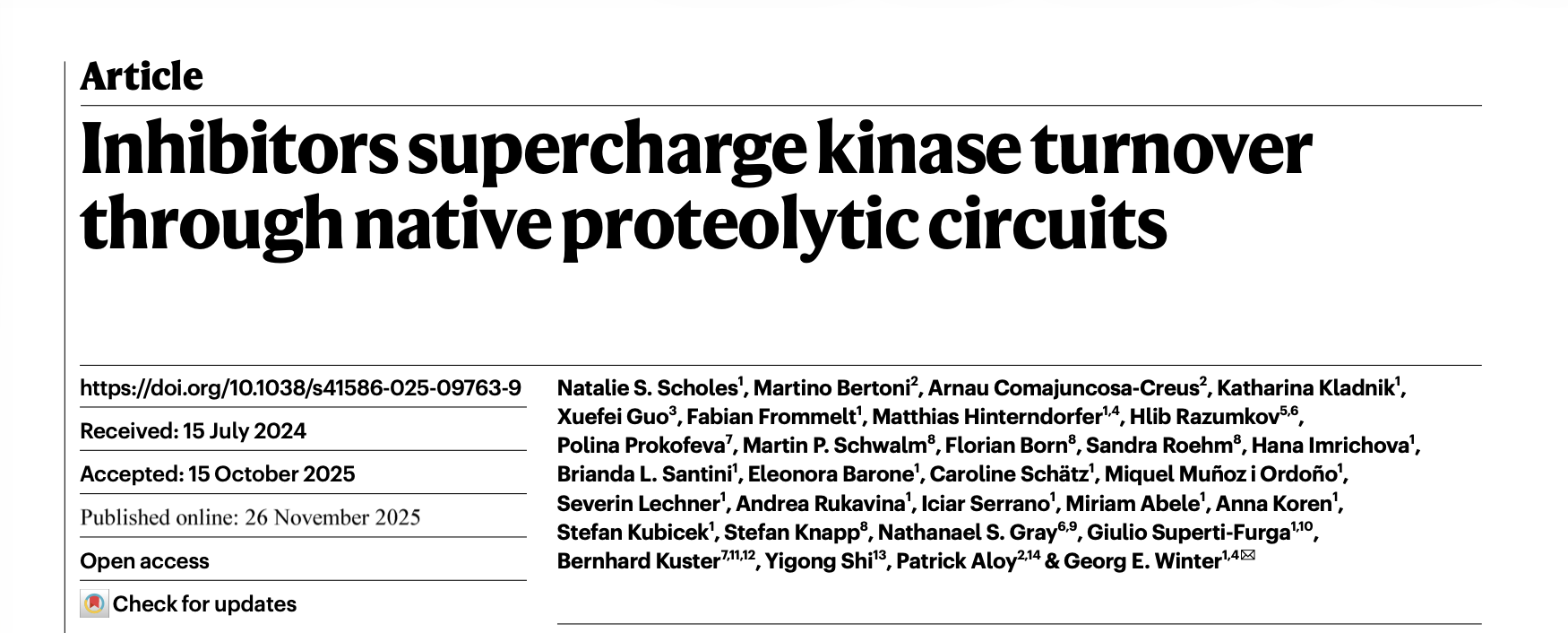
NEW MANUSCRIPT IN NATURE
We are delighted to announce the publication of our manuscript identifying kinase degradation as a common outcome of treatment with many kinase inhibitors. This tour‑de‑force study was led by former postdoctoral fellow Natalie Scholes and demonstrates that protein degradation frequently results from the supercharging of endogenous cellular degradation circuits.
November 2025
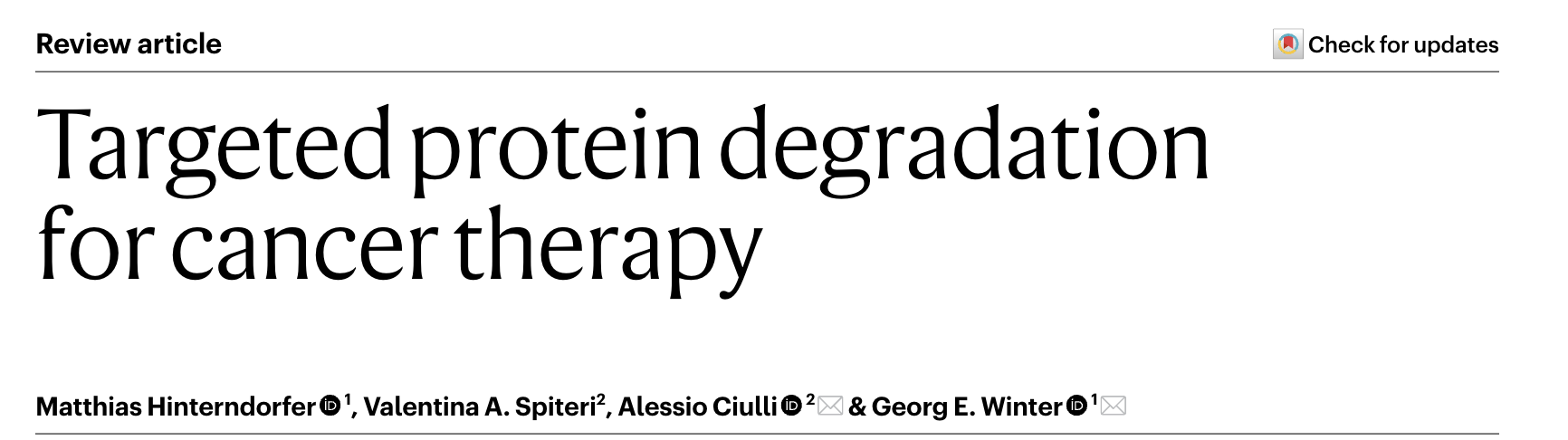
NEW REVIEW ARTICLE IN NATURE REVIEWS CANCER
We are very proud of our recent Review Article. Together with Valentina Spiteri and Alessio Ciulli, Matthias Hinterndorfer and Georg had the chance to summarize the status quo and current trends in targeted protein degradation, with a particular focus on applications in cancer research.
July 2025
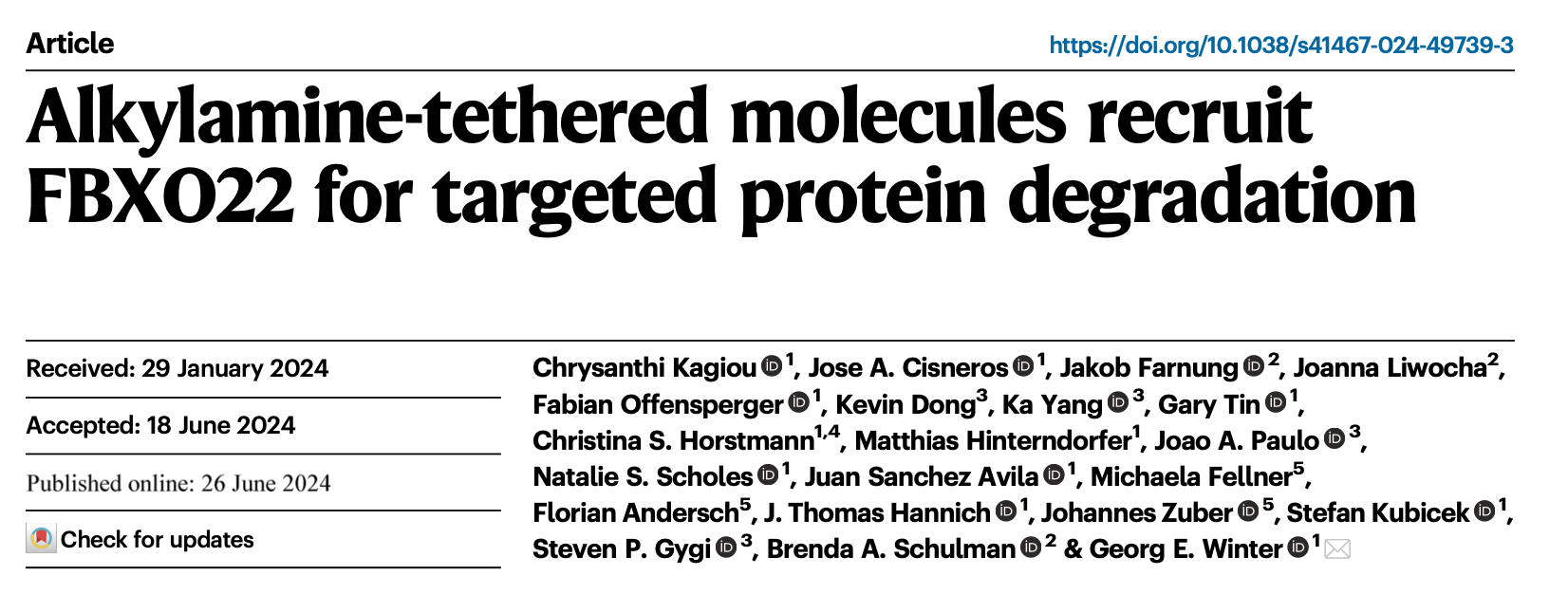
NEW MANUSCRIPT IN NATURE COMMUNICATIONS
We are excited to share that our manuscript describing the mechanism of action of alkylamine-tethered degraders via the E3 ligase FBXO22 has been published in Nature Communications. This has been a fantastic collaboration with the research labs of Brenda Schulman and Steve Gygi and was led by our PhD student Chrysanthi.
June 2024
NEW MANUSCRIPT IN NATURE CHEMICAL BIOLOGY
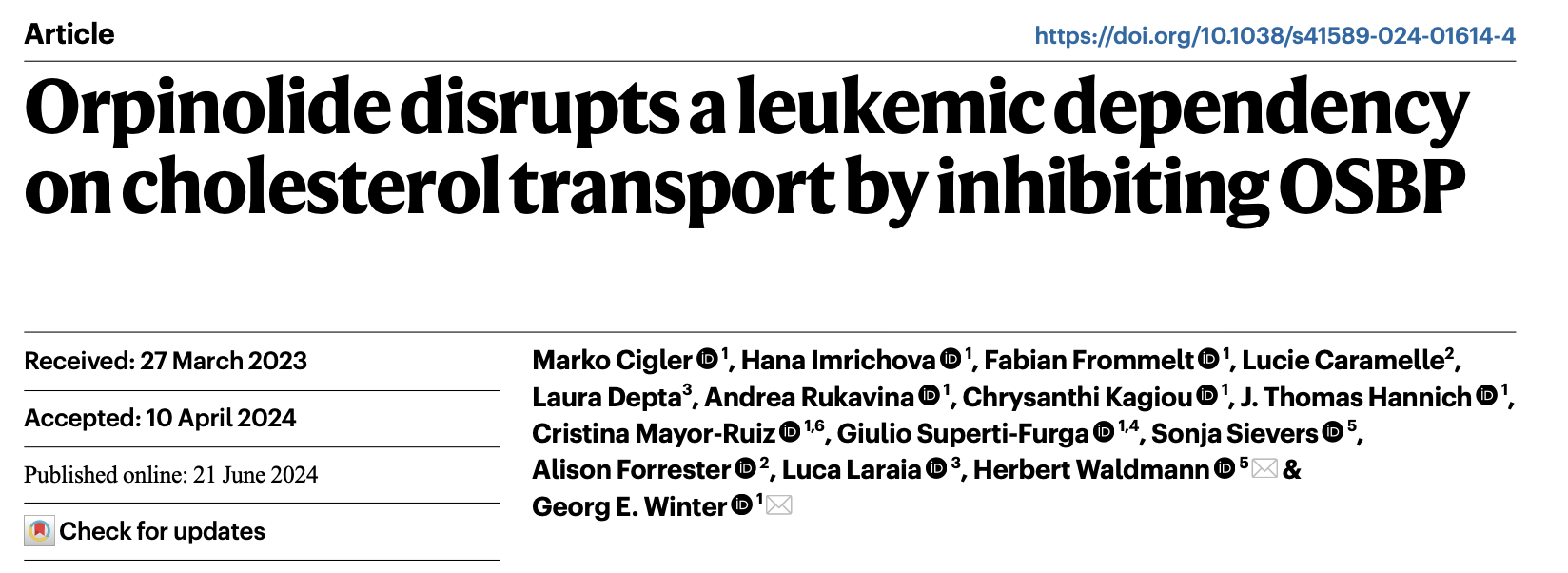
Our manuscript on the mechanism of action of orpinolide, an analog of the withanolide class of natural products, has been published in Nature Chemical Biology. Connecting phenotypic screening with functional genomics & proteomics, we find that orpinolide disrupts a leukemic dependency by blocking the cholesterol transport protein OSBP. This project was masterfully led by Marko Cigler and was also a fantastic collaboration with the Waldmann lab at the MPI in Dortmund as well as the Laraia lab at the DTU in Copenhagen.
June 2024
NEW MANUSCRIPT IN NATURE
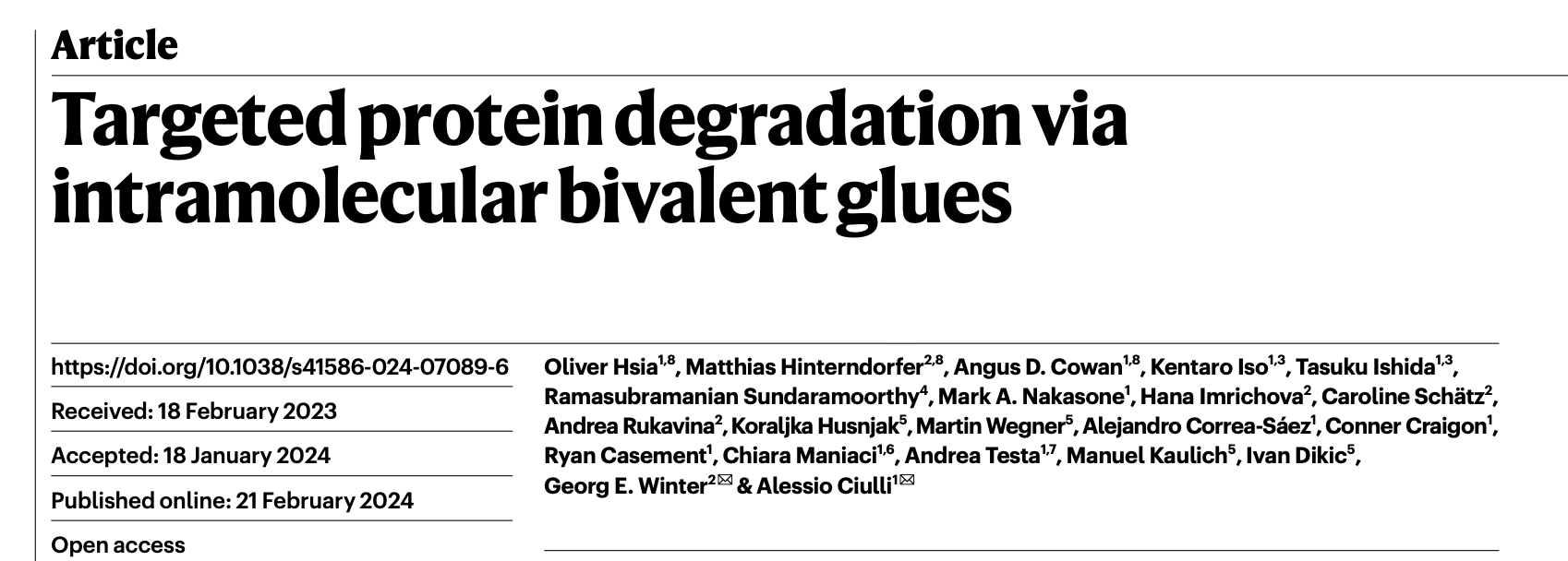
We are very happy that our collaborative work with the Ciulli lab in Dundee has been published in Nature. Congratulations to co-first author Matthias Hinterndorfer. This study identifies a new modality in targeted protein degradation, which works by bridging protein domains in cis to enhance surface complementarity with E3 ligases for productive ubiquitination and degradation.
March 2024
PEOPLE
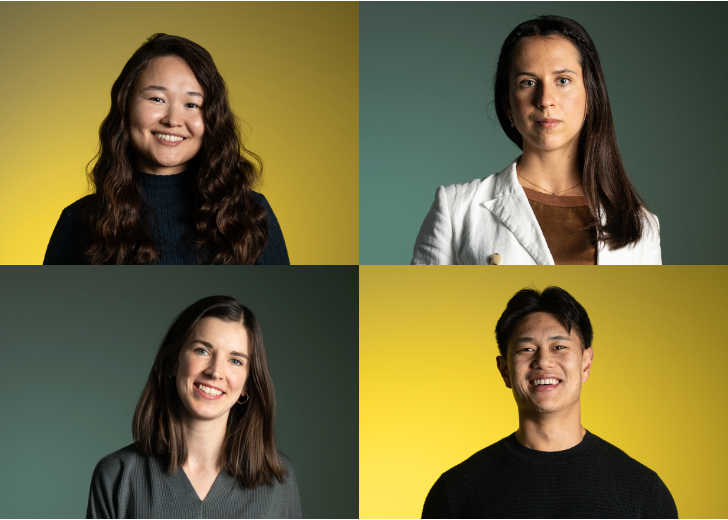
Photo by Natascha Unkart. Credit to AITHYRA
WELCOME DANIYA, MICHELLE, LISA AND KEVIN!
The Winter lab is very happy to welcome 4 new members.
Daniya Zakai and Michelle Shlei, who both support the lab as Research Technicians, Lisa Hoffmann-Haas, who joined as a Scientific Project Coordinator, and Kevin Dong, a new postdoctoral fellow joining from Steven Gygi’s lab. Welcome.
December 2025 - February 2026
CONGRATS NATALIE!
With a heavy heart, we said goodbye to Natalie Scholes, a former postdoctoral fellow in the lab. While it is sad to see her leave, we couldn't be more excited and proud about her next move – starting an independent research lab at the Netherlands Cancer Institute!
December 2025
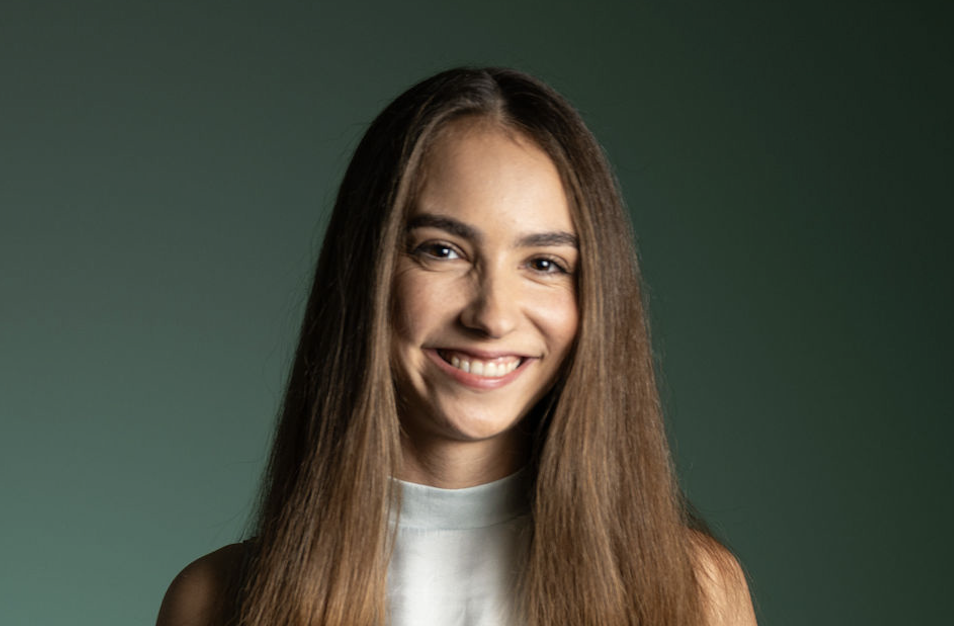
Photo by Natascha Unkart. Credit to AITHYRA
WINTER LAB MOVES TO AITHYRA
Georg has been selected by an international hiring committee headed by Maria Leptin to serve as the new Life Science director at AITHYRA, a new institute for Biomedical AI. As of September 2025, the Winter lab will fully relocate to Aithyra. Georg will remain affiliated with CeMM as an adjunct PI.
September 2025
FUNDING
ERC CONSOLIDATOR GRANT
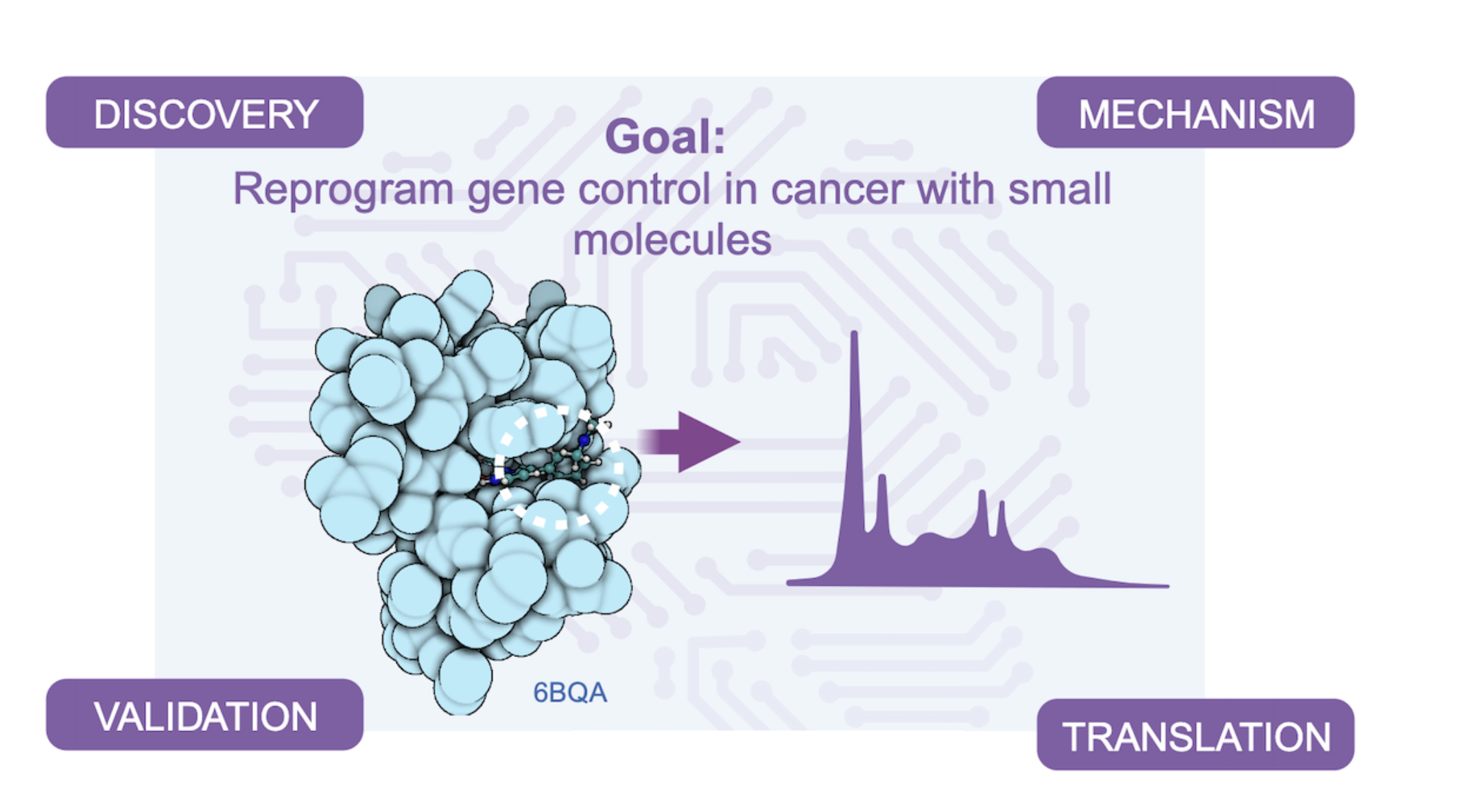
We are very grateful for the ERC Consolidator Grant that has been awarded to the Winter lab. Through our longstanding interest in targeted protein degradation, we have developed a deep expertise in neomorphic pharmacology and proximity induction, which we can now deploy to directly rewire transcriptional circuits that are dysregulated or mutated in cancer. Over the next five years, we'll work very hard to provide proof of concept and deep mechanistic understanding for this therapeutic modality. Thanks to all current and former group members, mentors and colleagues who helped us to get into this position, we can't wait to get started!
December 2024
CANCER GRAND CHALLENGE
We are super excited to be part of team KOODAC, which is funded by the Cancer Grant Challenge initiative to identify and develop small-molecule degraders against oncoproteins that drive solid tumors in children.
March 2024
OUR RESEARCH
We work at the interface of chemical biology, proteostasis, and gene control. We aim to innovate novel chemical strategies that allow us to better understand fundamental principles of small-molecule action on transcriptional regulation and the ubiquitin-proteasome system.
Our current focus is on small-molecule degraders, which induce proximity between a target protein of interest and an E3 ubiquitin ligase to prompt ubiquitination and proteasomal degradation of the target protein. Towards a scalable, and rational strategy for ligand-induced destabilization of proteins, we developed heterobifunctional small-molecules by conjugating a phthalimide moiety to competitive antagonists of BET bromodomain proteins via a short, aliphatic linker. These compounds were the first PROTACs to show efficacy in vivo and prompted a widespread interest in the biopharmaceutical industry (Winter, Science 2015). Over the last years, research in our lab has been focused on developing methods to identify and mechanistically characterize monovalent and drug-like molecular glue degraders. This has led to the identification of degraders against otherwise undruggable proteins, such as Cyclin K (Mayor-Ruiz, Nature Chemical Biology 2020), has allowed us to functionally hijack a range of different E3 ligases, including DCAF11 and FBOX22 (Xue, Nature Communications, 2023; Kagiou, Nature Communications, 2024), and has also revealed a new modality in targeted protein degradation: intramolecular, bivalent glue degraders (Hsia, Hinterndorfer, Cowan, Nature 2024). Most recently, we have been interested in decoding how (and how often) inhibitors can induce target degradation (Scholes, Nature 2025).
In addition, we are keen to expand this concept towards other cellular functions, particularly focusing on small molecules that can functionally hijack transcriptional circuits, signaling or the DNA damage response.
In order to discover chemical neomorphs, small molecules that can endow proteins with novel functions to ultimately rewire cellular circuits, we frequently conduct phenotypic screens followed by mechanistic workup. We are thus excited about innovating and implementing cutting-edge technology that informs on principles of how small molecules interact with native biological systems. These studies are frequently driven by high-throughput and unbiased technologies such as quantitative proteomics, transcriptomics and particularly functional genomics. We are further excited to augment the interpretability of these large-scale datasets via artificial intelligence and machine learning methods. Connecting the derived insights with synthetic chemistry enables us to understand the mechanism of action of proteins, protein complexes or small molecules both on a holistic but also mechanistic level. In addition, we plan to leverage AI/ML to systematically move from phenotypic discovery to purposeful design of chemical neomorphs.
Our ultimate vision is that the fundamental insights that our work uncovers will contribute to therapeutic innovation that is built on the thesis of rewiring or (re-)programming of biological circuits.
multidisciplinary | technology enabled | mechanistically oriented | therapeutically inspired
OUR TEAM
Our team consists of research scientists, graduate students and postdoctoral researchers with a mixed background in molecular- and cell biology, chemistry and computational biology. Our lab is located at the Research Institute for Biomedical Artificial Intelligence
of the Austrian Academy of Sciences AITHYRA.
Photos by Natascha Unkart. Credit goes to AITHYRA.

Julie Beaucamp
Julie obtained her Bachelors and Masters in Biochemistry from the University of Heidelberg. For her Bachelor thesis, she joined the Lyko group at the DKFZ, investigating epigenetics and chitin biosynthesis in marbled crayfish. During her Master thesis in the Böttcher Lab at the University of Vienna, she synthesized lipoteichoic acids and studied their interactions with bacteriophages. As a PhD student in the Winter lab, Julie will focus on rewiring cell death in cancer cells via induced protein proximity.
Carolina Caso
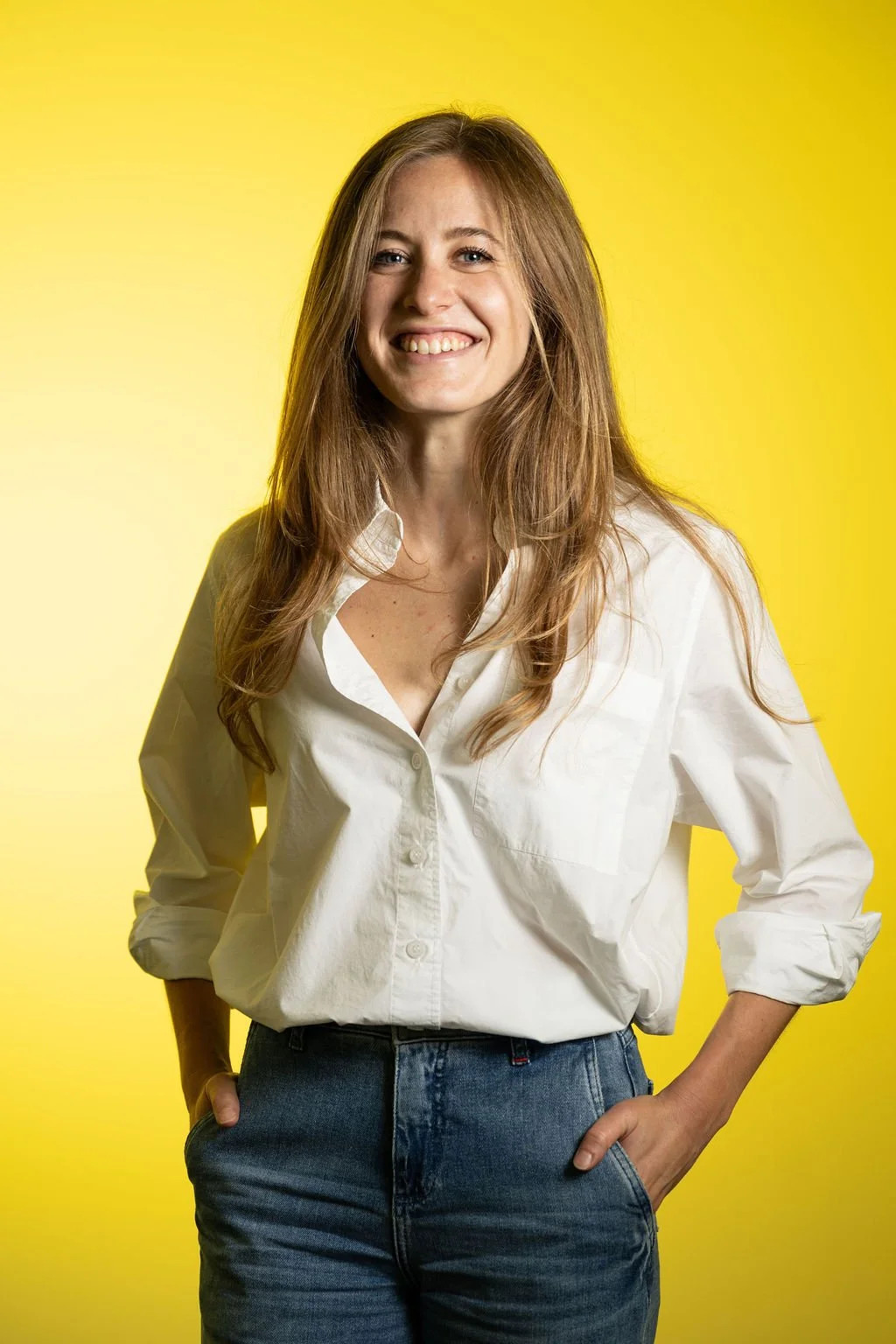
Carolina obtained her MSc in Pharmaceutical Sciences from La Sapienza, University of Rome. She pursued her doctoral studies at ETH Zürich in the group of Prof. Karl-Heinz Altmann, working on the total synthesis of natural products. As a postdoctoral fellow in the Winter lab, she is focusing on the synthesis of libraries by means of a direct-to-biology approach to identify new molecular glue degraders.

Marko Cigler
Initially trained as a chemist in Zagreb, Marko completed his PhD in the lab of Kathrin Lang at the Technical University Munich where he worked on genetic code expansion. He joined the lab as a postdoctoral fellow in March 2020 to work on molecular glue degraders.
Jose Cisneros
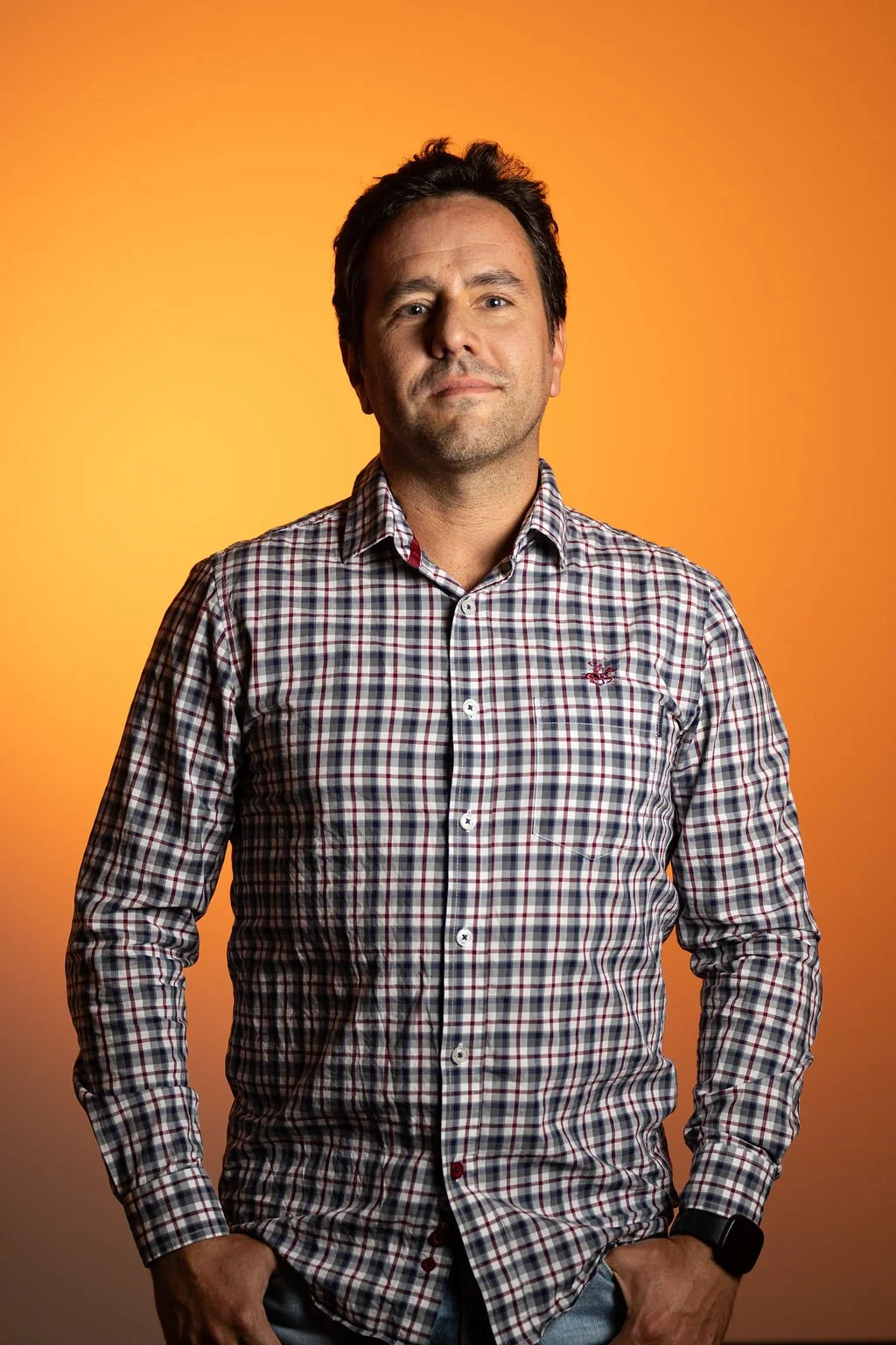
Jose earned his PhD in medicinal chemistry in the group of Maria Luz Lopez-Rodriguez at Universidad Complutense in Madrid working in the synthesis of molecules involved in the regulation of the endocannabinoid system (ECS). He continued his work in the field of medicinal chemistry in the group of William Jorgensen at Yale University as a postdoctoral fellow and associate research scientist. He joined the lab in 2020 as a research chemist to work in the synthesis of molecular glues and PROTACs.
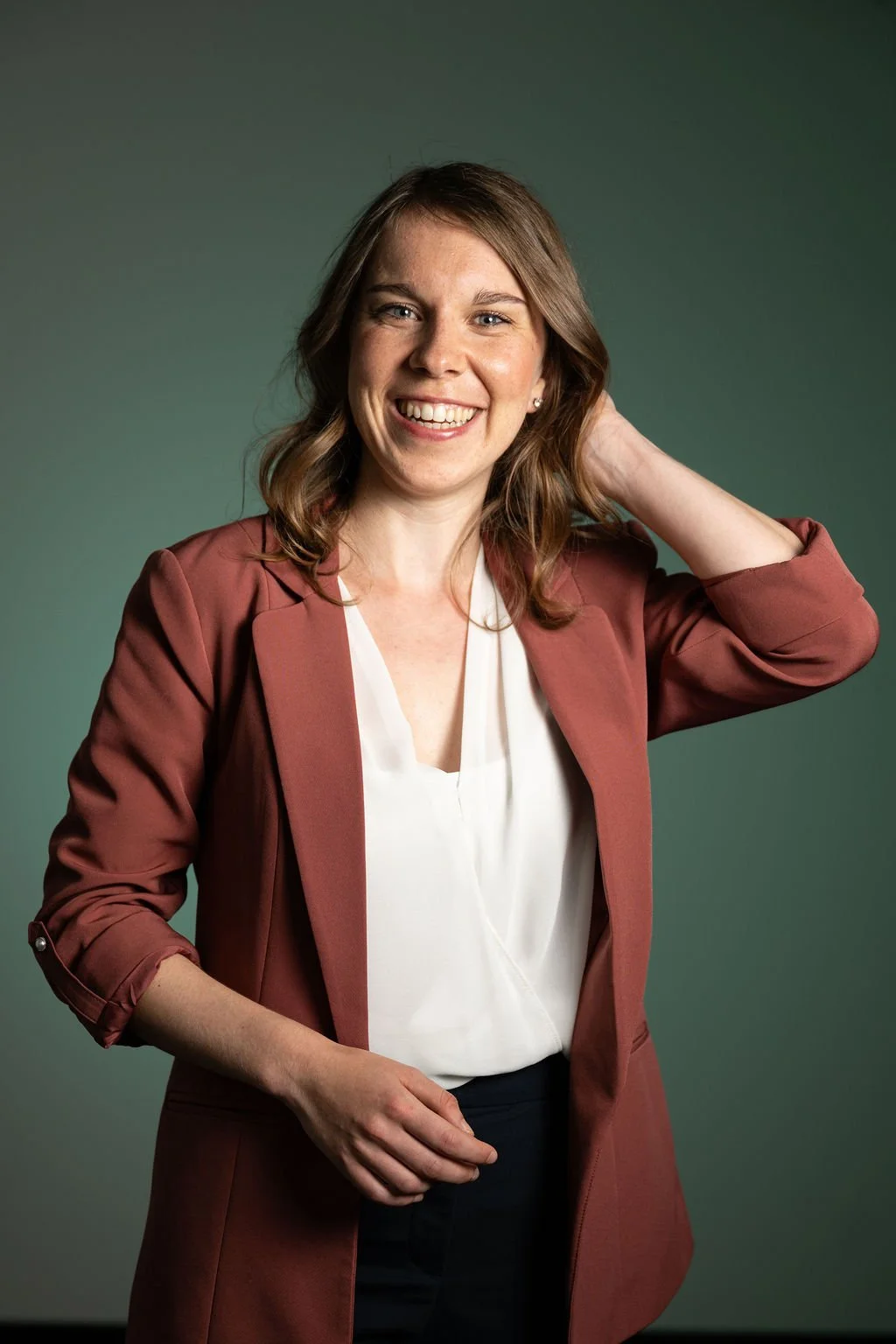
Hannah Haller
Hannah joined the lab as Laboratory Technician in April 2024. She finished the Master program Molecular Biotechnology at FH Campus Wien and stayed at Karolinska Institutet, Stockholm for her Master research. Hannah has a great interest in cancer research and targeted protein degradation.
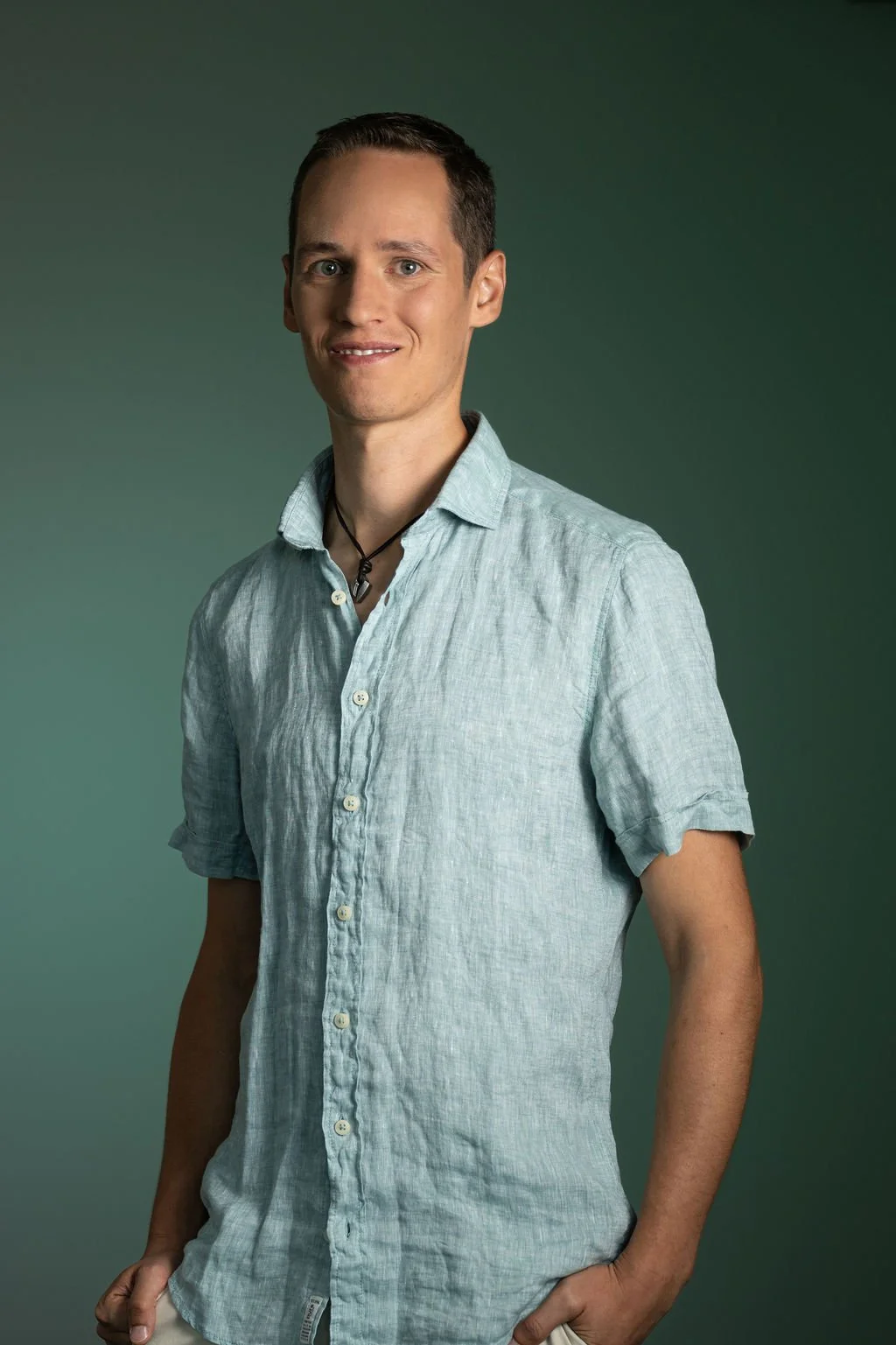
Matthias Hinterndorfer
Matthias obtained his PhD from the Zuber lab at the Institute of Molecular Pathology Vienna, where he established temporally resolved CRISPR screens that led to the discovery of the vertebrate nuclear proteasome import pathway. In his work as a Senior Research Scientist in the Winter lab, he is looking to combine his interests in genetic screening and proteasome biology to elucidate the genetic determinants underlying chemically induced targeted protein degradation.
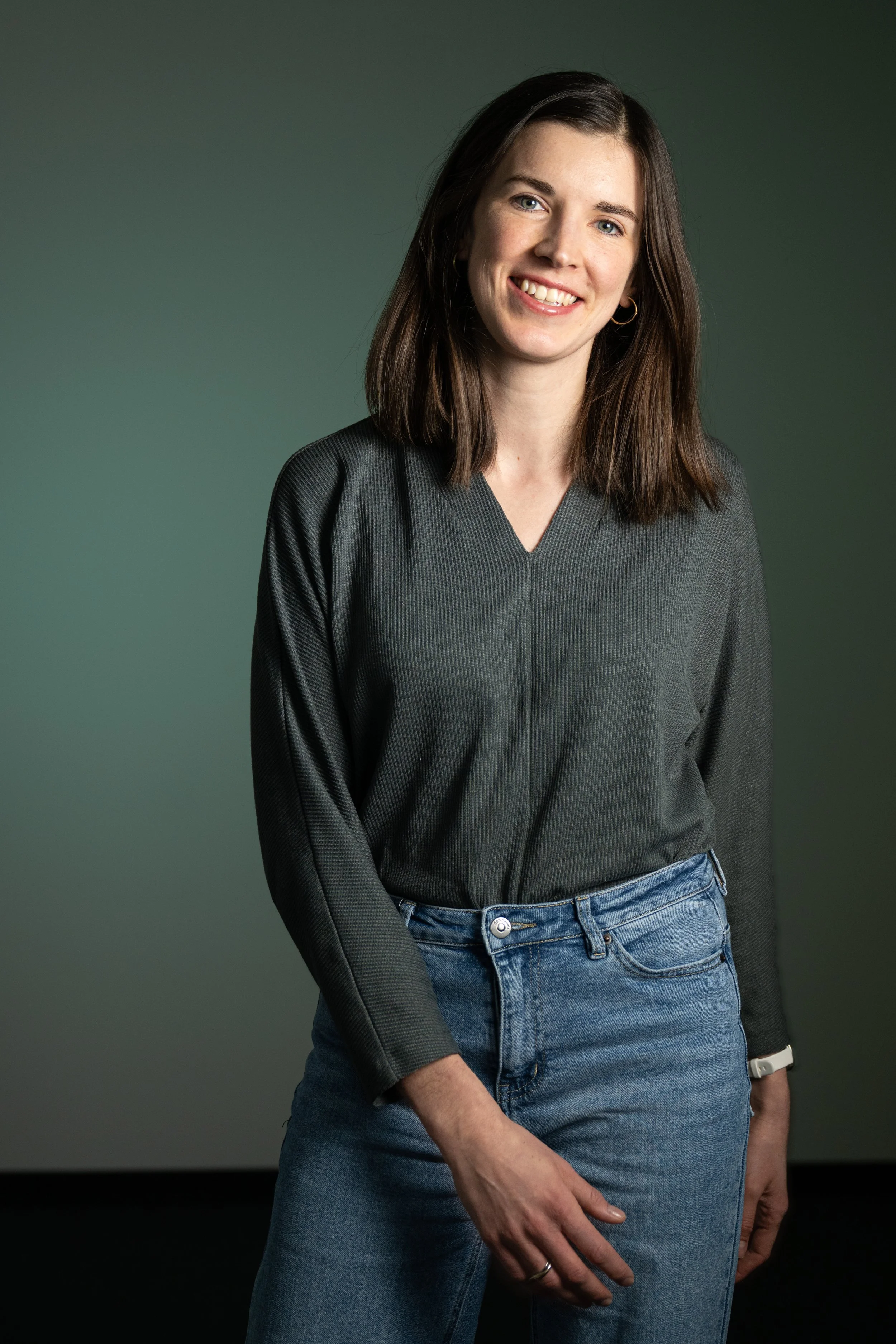
Lisa Hoffmann-Haas
Lisa earned her MSc in Molecular Medicine from the University of Vienna, which included a one-year research internship at the MRC Cancer Unit in Cambridge, UK. She completed her doctoral studies in the Obenauf lab at the Research Institute of Molecular Pathology (IMP) in Vienna, where her research focused on the mechanistic intersection of targeted therapy and immunotherapy in melanoma. Following her PhD, Lisa spent four years as an editor at Nature Cancer in Berlin, managing a diverse portfolio ranging from fundamental drug discovery to clinical trials. In 2026, she joined the Winter lab as a Scientific Project Coordinator.

David Hoi
Initially trained as chemist, David completed his PhD in Molecular Biology at the Institute of Molecular Pathology in Vienna, where he studied novel targeted protein degradation strategies in pathogenic bacteria. He joined the Winter Lab as a postdoctoral fellow in November 2023 aiming to develop chemical solutions to rewire transcriptional regulation in cancer.
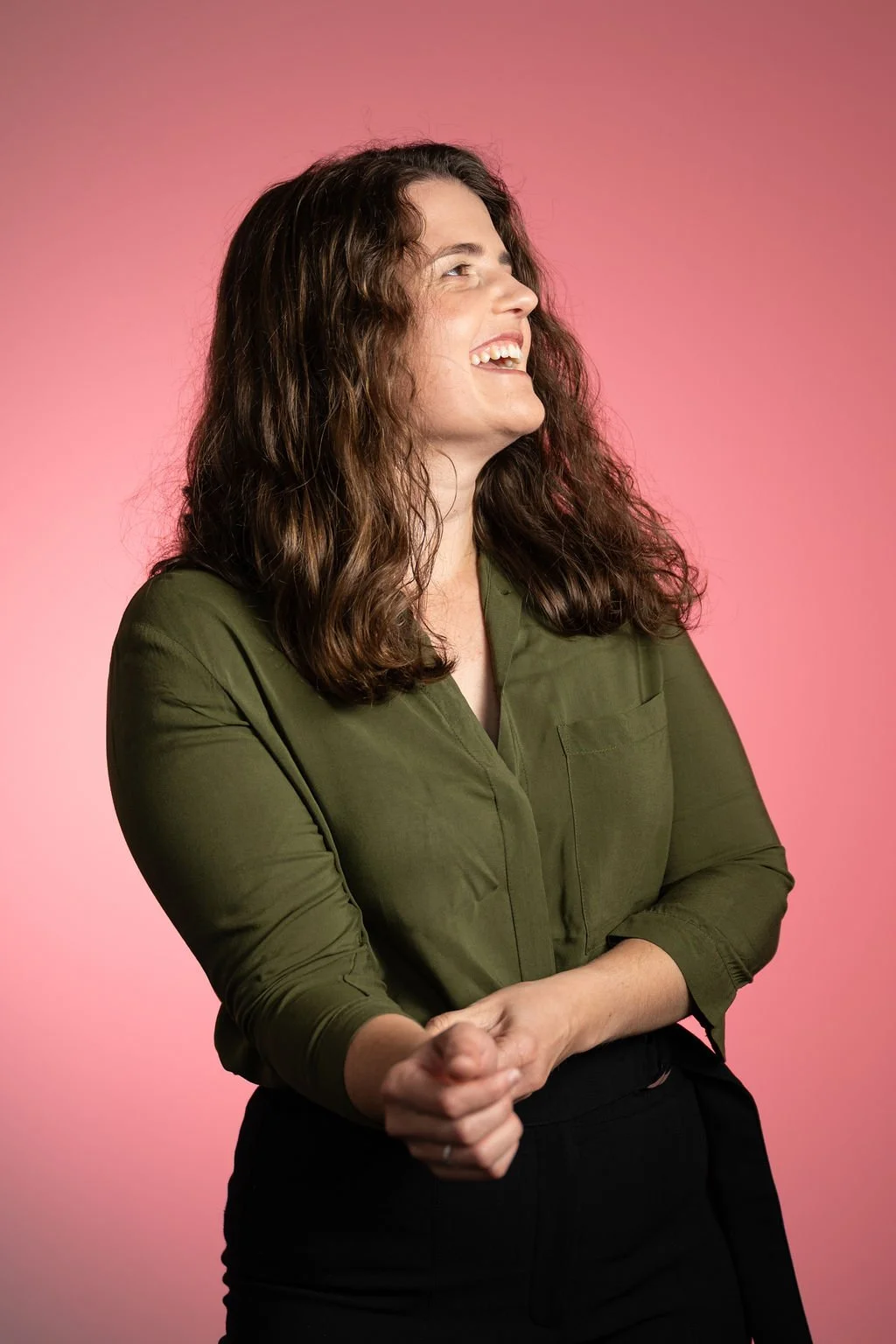
Chrysanthi Kagiou
Chrysanthi received her master's degree in Molecular Mechanisms of Disease in the Hobo lab at Radboud University in The Netherlands focusing on hematological malignancies. She completed her master thesis in the Weigelin group at Werner Siemens Imaging Center. In 2020, Chrysanthi joined the Loizou Lab at the Institute of Cancer Research in Vienna, using advanced genome editing technologies to study cancer-associated mutations on DNA damage response genes. Chrysanthi joined Winter lab as a PhD student in June 2022, focusing on identifying novel molecular glue degraders in different cell states.

Lisa Kainacher
Lisa studied Molecular Biotechnology in her BSc at the FH Campus Wien. She joined the Christodoulou lab at University College London to investigate the structural underpinnings of protein misfolding. She then studied Molecular Medicine in her MSc at the University of Vienna. For her master research, she joined the Murray lab at the Max Planck Institute of Biochemistry in Munich where she worked on the complex role of tryptophan metabolism in human cancers and its association with ferroptotic cell death. Lisa joined the Winter lab in autumn 2023 and in her PhD she will focus on the rewiring of transcriptional networks using small molecule libraries and chemical screens to exploit cancer vulnerabilities.
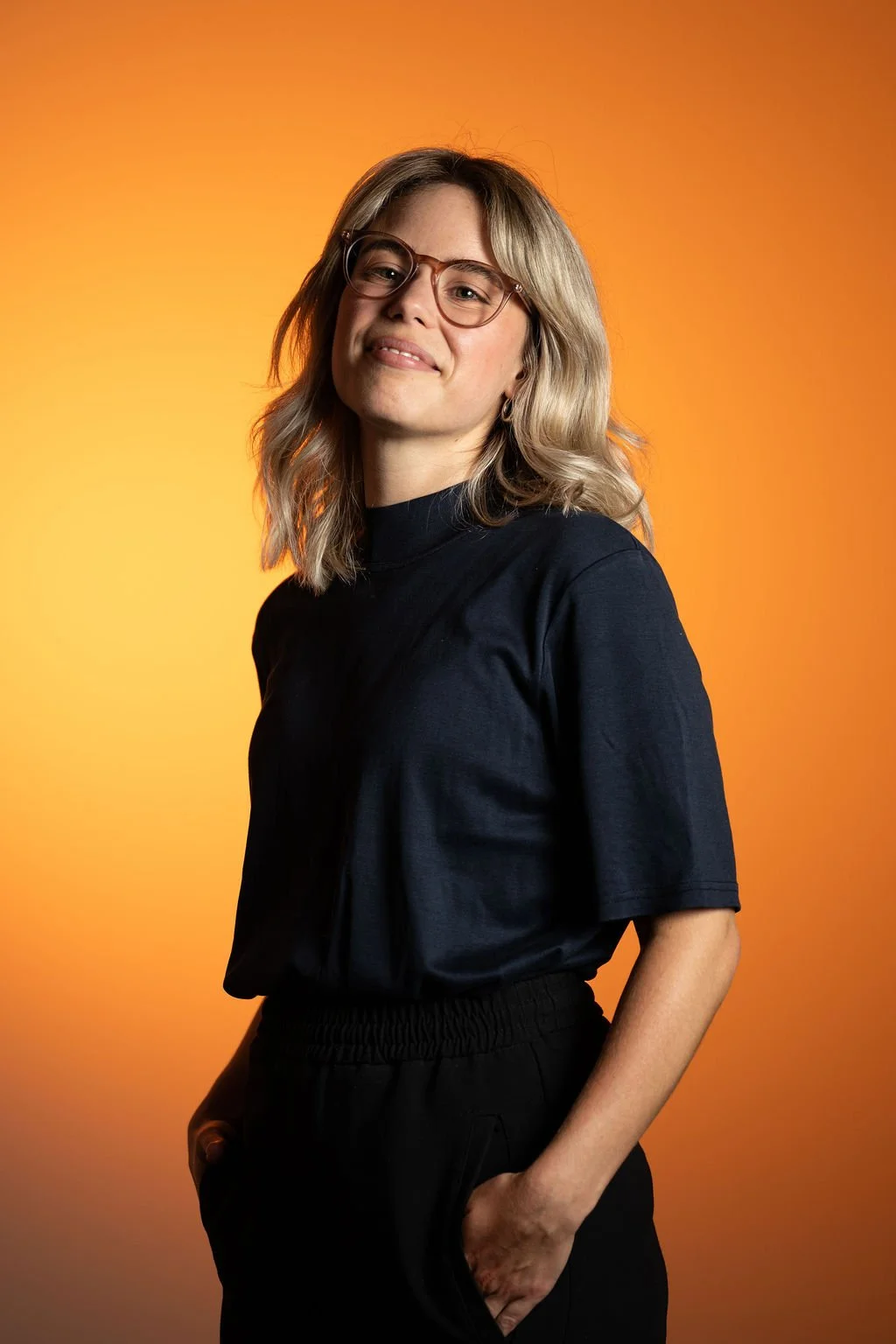
Katharina Kladnik
Katharina joined the Winter lab in 2022 as Technical Assistant. She completed her Masters studies in molecular biotechnology at the FH Campus Wien, where her interests focused around cancer and biopharmaceutical research.

Juraj Konc
Juraj obtained an MSc in Organic Chemistry from Charles University in Prague, where he worked on medicinal chemistry of nucleoside analogs in Prof. Michal Hocek’s group at IOCB Prague. He completed his PhD at the Yusuf Hamied Department of Chemistry at the University of Cambridge with Prof. Gonçalo Bernardes, focusing on the chemical modification of biomolecules and bioorthogonal chemistry. Juraj subsequently joined Prof. Kaan Boztug’s group at St. Anna Children’s Cancer Research Institute as a postdoctoral fellow, developing novel therapeutic approaches for high-risk neuroblastoma. In June 2025, he moved to the Winter lab, where he continues these efforts with a particular interest in degrader–antibody conjugates.
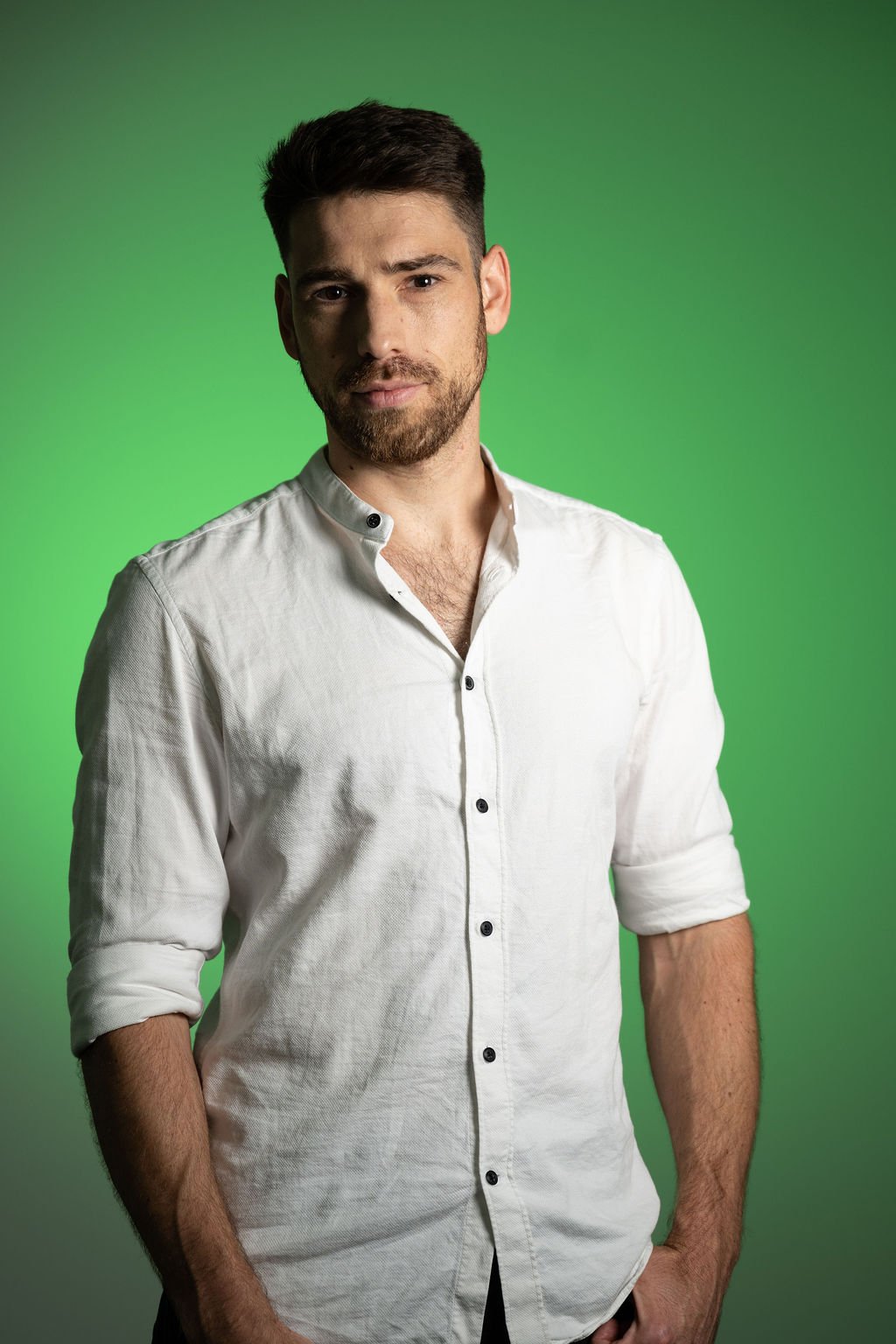
Severin Lechner
Initially trained as biochemist, Severin completed his PhD in the lab of Bernhard Kuster at the Technical University of Munich, where he focused on (chemo-)proteomic drug target deconvolution methods. As a postdoctoral fellow in the Winter lab, Severin is hunting for small molecules that allow to redirect transcription-regulating protein complexes.

Mauriz Lichtenstein
Mauriz obtained his BSc and MSc in Biochemistry from the Freie Universität Berlin. In his undergraduate research at the Taylor lab at the Max-Planck-Institute for Infection Biology in Berlin, he studied innate immune signal transduction using synthetic biology approaches. For his master thesis, Mauriz joined the lab of David Baker at the Institute for Protein Design at the University of Washington, designing allosterically regulated protein therapeutics. In his PhD, Mauriz will functionally characterize non-canonical human proteins combining genetic screens with proteomics and in silico modeling.
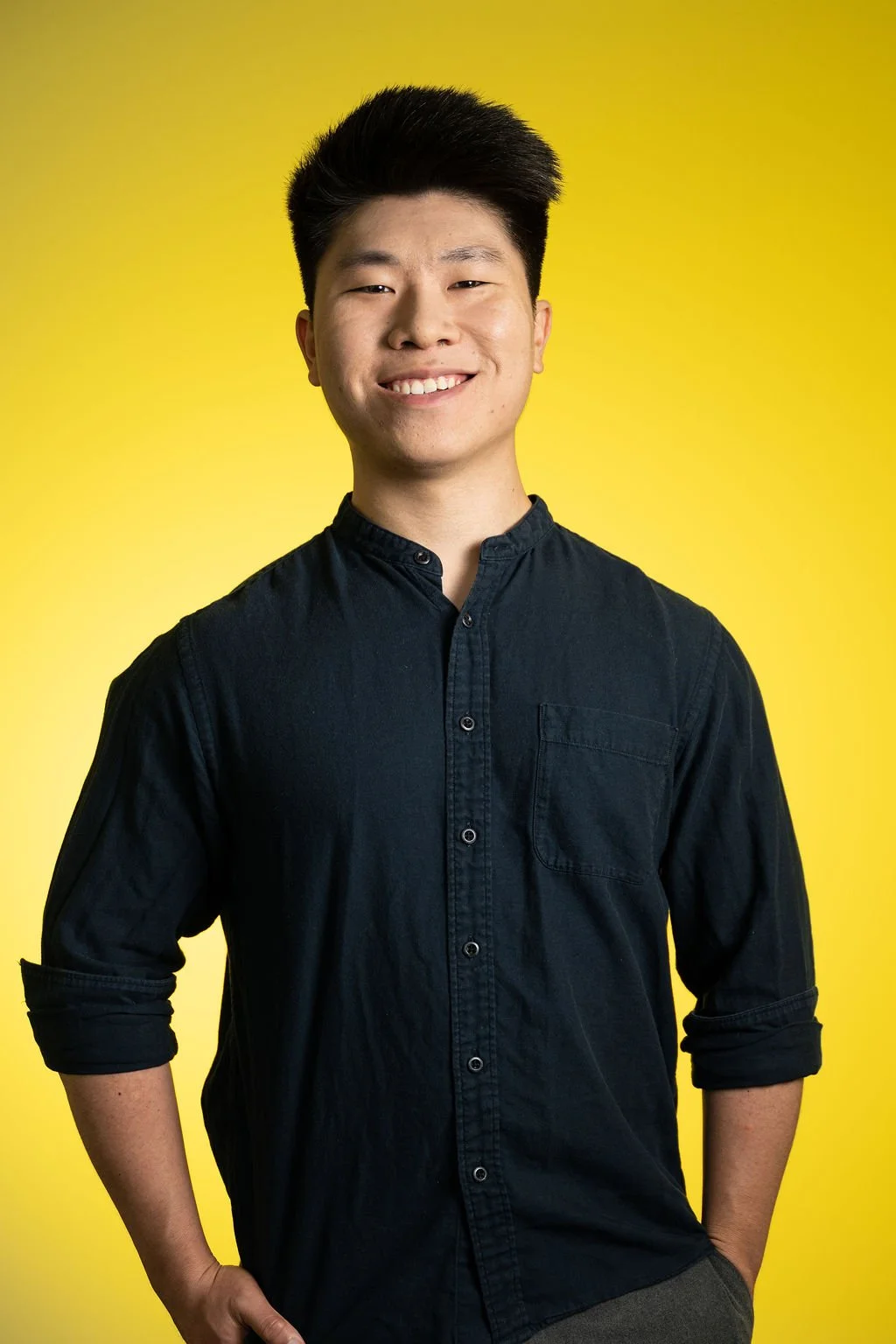
Michael Lim
Michael earned his BSc (Honours) in Chemistry at the National University of Singapore where he gained an interest in chemical biology and interdisciplinary science. For his honours thesis, he worked in Ang Wee Han's lab on metal-ion enabled prodrug strategies for PROTACs. He joined the Winter lab in September 2024 to work on rewiring genome integrity.
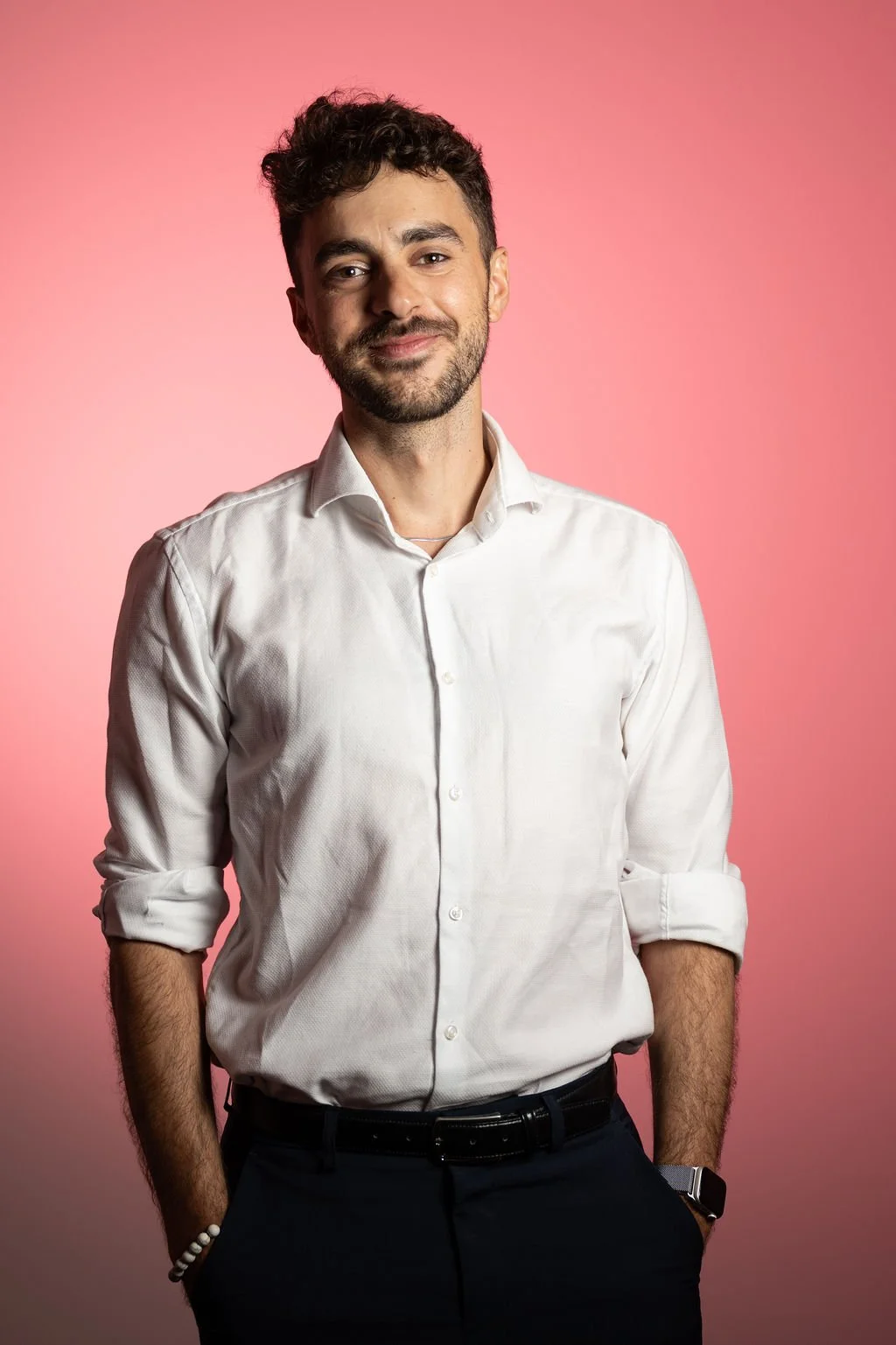
Iakovos Saridakis
Iakovos completed his PhD in organic chemistry at the University of Vienna under the supervision of Nuno Maulide, working on application-inspired targeted syntheses. These doctoral studies also included a research visit at the Daniele Leonori lab (RWTH Aachen), studying photoexcitation of nitroarenes. He joined the David MacMillan lab at Princeton University as a Max Kade (ÖAW) postdoctoral fellow working on photoredox catalysis and photo-proximity labelling. Iakovos joined the Winter lab in July 2025 as a PDRA to apply novel high-throughput chemical means and develop chemical inducers of proximity for rewiring regulated cell death.
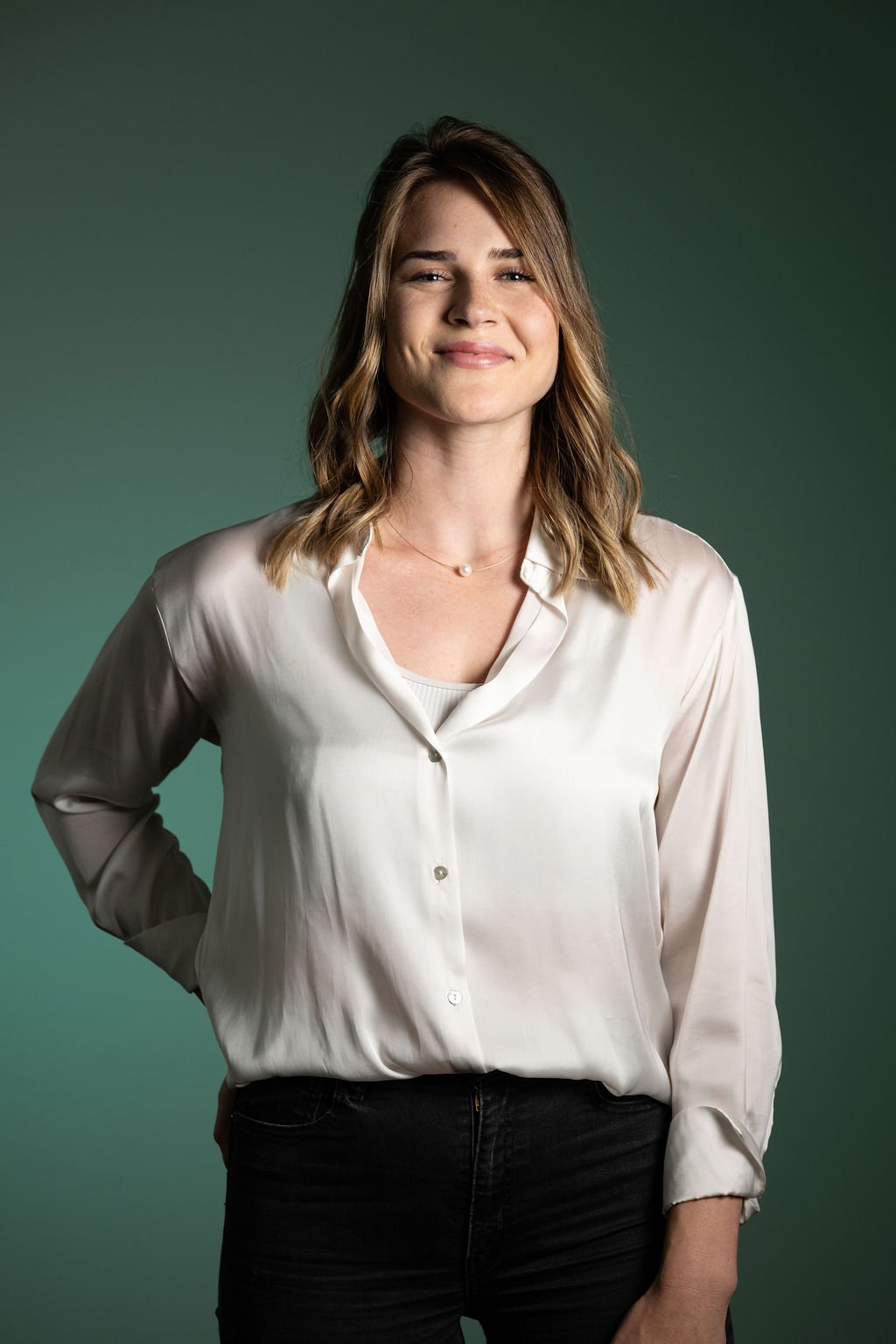
Caroline Schätz
Caroline studied Medical and Pharmaceutical Biotechnology at the IMC University of Applied Sciences in Krems. For her bachelor thesis she spent seven months at the Harvard Medical School in Boston working on tissue engineering using hypoimmunogenic stem cells. For her master thesis she was working on the development of advanced organoid systems in the group of Christoph Bock in Vienna. In October 2022 Caroline joined the Winter lab as a PhD student, where her research efforts focus on dissecting drug feedback mechanisms using genetic screens as well as chemical screens in organoids.

Dmitri Segal
Dmitri completed his PhD in molecular genetics at the University of Toronto under the supervision of Dr. Mikko Taipale. There, he utilized high-throughput interaction proteomics and high-content immunofluorescent imaging to decipher functional differences between 14-3-3 paralogs and uncover their chaperone-like functions. Dmitri joined the Winter lab in June 2023 as a postdoctoral fellow to identify and characterize novel proximity inducing compounds that rewire the function of specific transcriptional/epigenetic regulators in cancer.
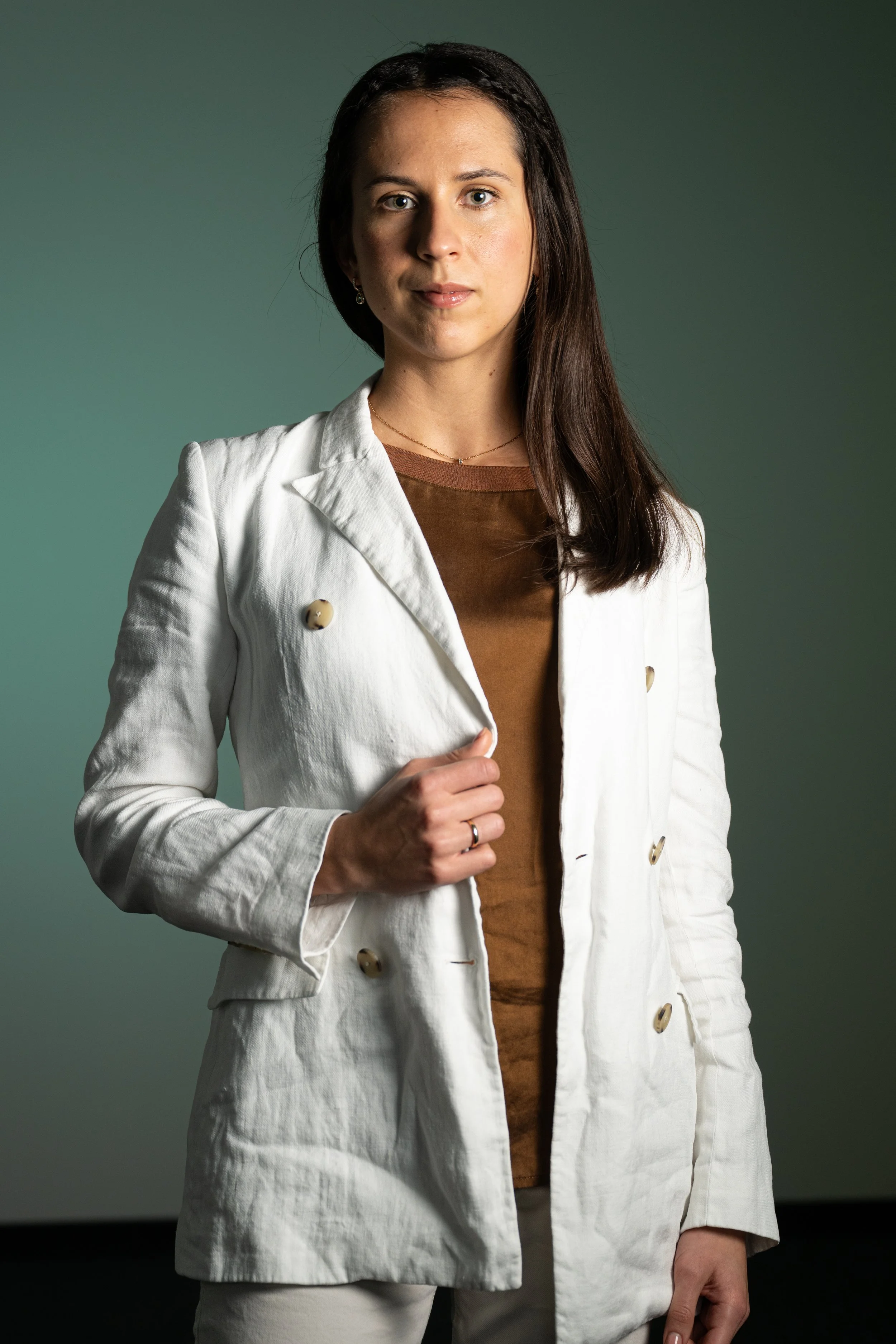
Michelle Shlei
Michelle earned her BSc in Microbiology and Genetics from the University of Vienna, which included a four-month research internship at the Medical University of Vienna specializing in bee venom allergy research. She subsequently completed an MSc in Immunology at the University of Vienna. For her Master’s thesis, she spent one year at the Institute for Laboratory Medicine, where she focused on optimizing lentiviral particle architecture to enhance targeted gene delivery to primary T cells for applications in functional genomics and cell therapy. She joined the Winter lab in 2026 as a research technician.
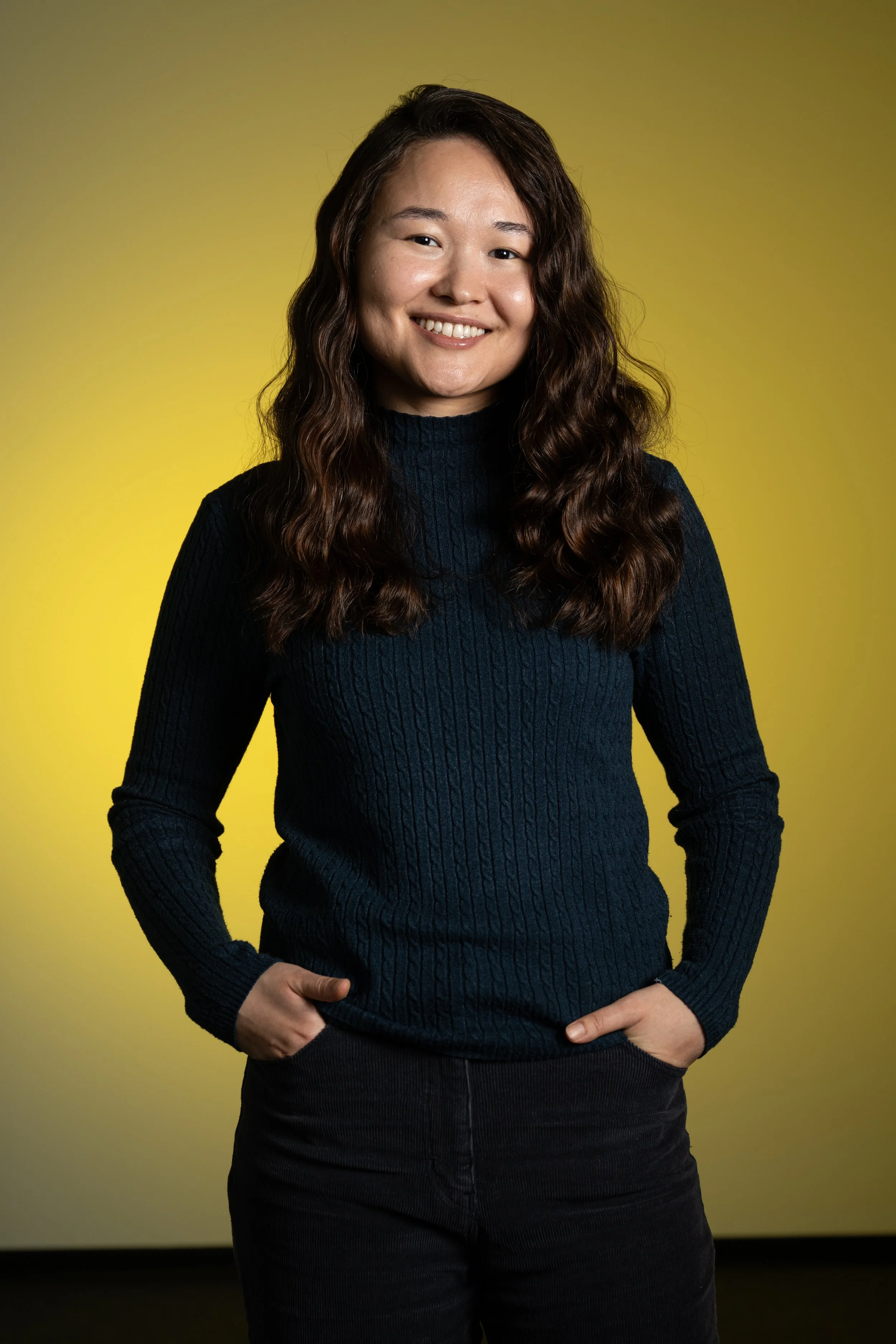
Daniya Zakai
Daniya acquired her Master's degree in Tissue Engineering and Regenerative Medicine at the FH Technikum Wien. She worked as a graduate student researcher at the School of Medicine UCLA and the Medical University of Vienna. For her Master thesis, she investigated cardiovascular abnormalities in Duchenne Muscular Dystrophy carrier rat models. In 2023, she joined Exscientia as a research associate, where she worked on developing a precision medicine platform for ovarian cancer using an ex vivo drug response assay. Recently, she joined the Winter lab as a research technician to support the development of degrader-antibody conjugates.
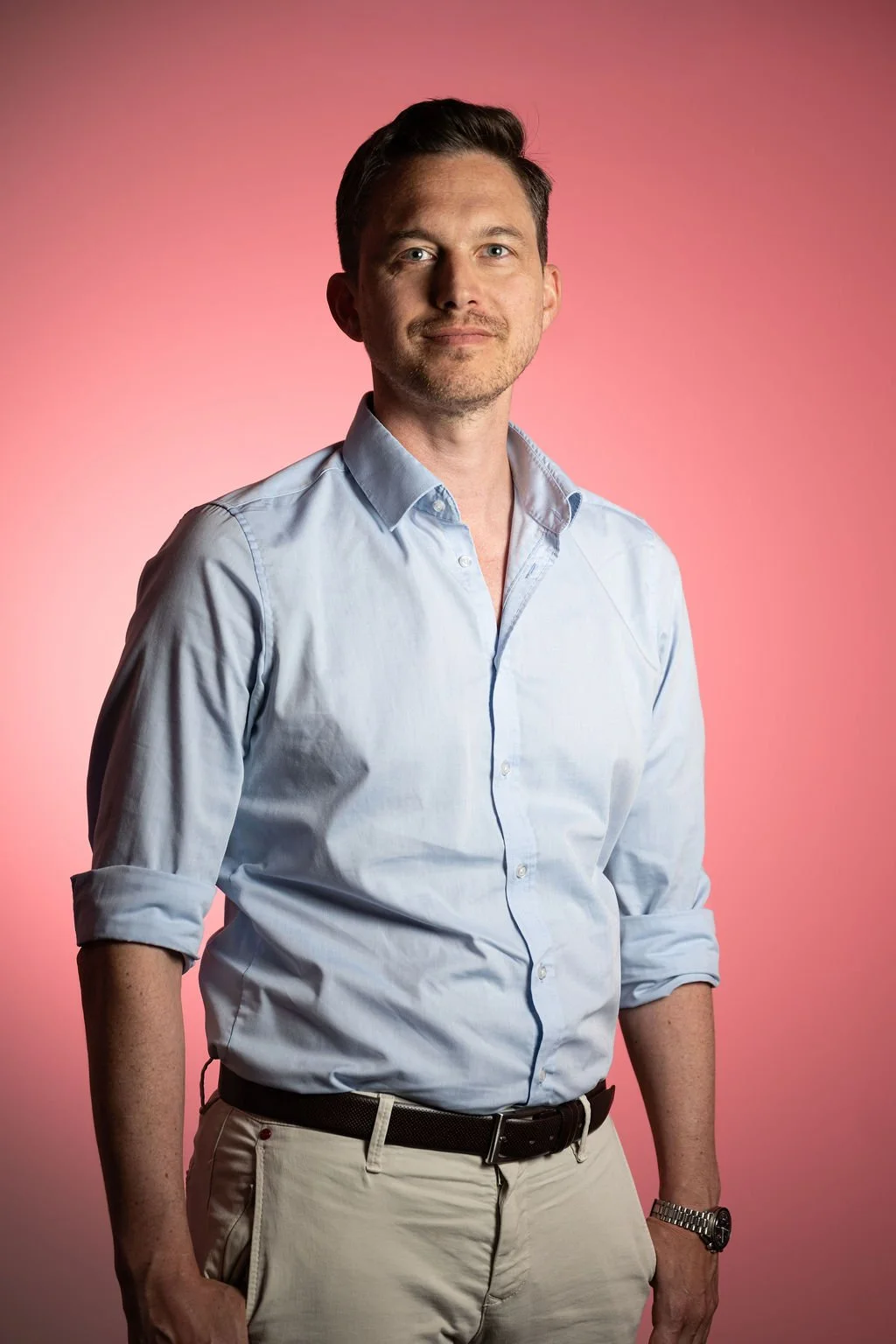
Georg Winter
Georg performed his graduate studies at CeMM in Vienna, working on elucidating the mechanism of action of cancer drugs with a specific emphasis on proteomics- as well as chemical genetics approaches. He continued his training in chemical biology, working as a postdoctoral fellow with Dr. James Bradner the Dana Farber Cancer Institute where he published the first paper reporting on in vivo target protein degradation and co-developed degron-tagging approaches that leverage the E3 ligase CRBN (dTAG approach) to understand the mechanistic involvement of gene control factors in oncogenic transcriptional circuits. He was recruited as a CeMM Principal Investigator in June 2016, continuing his work on targeted protein degradation with a particular emphasis on the phenotypic identification and mechanistic characterization of molecular glue degraders. In April 2025, Georg has been appointed as the Life Science Director at AITHYRA.
Georg has authored more than 60 peer-reviewed papers and his contributions to the field of chemical biology in general, as well as targeted protein in particular, have been recognized via several international awards including the Eppendorf Award for Young European Investigators, the Wilson S. Stone Memorial Award from the MD Anderson, the Tetrahedron Young Investigator Award and the EFMC Price for Young Chemical Biologists.
Life in the Winter lab
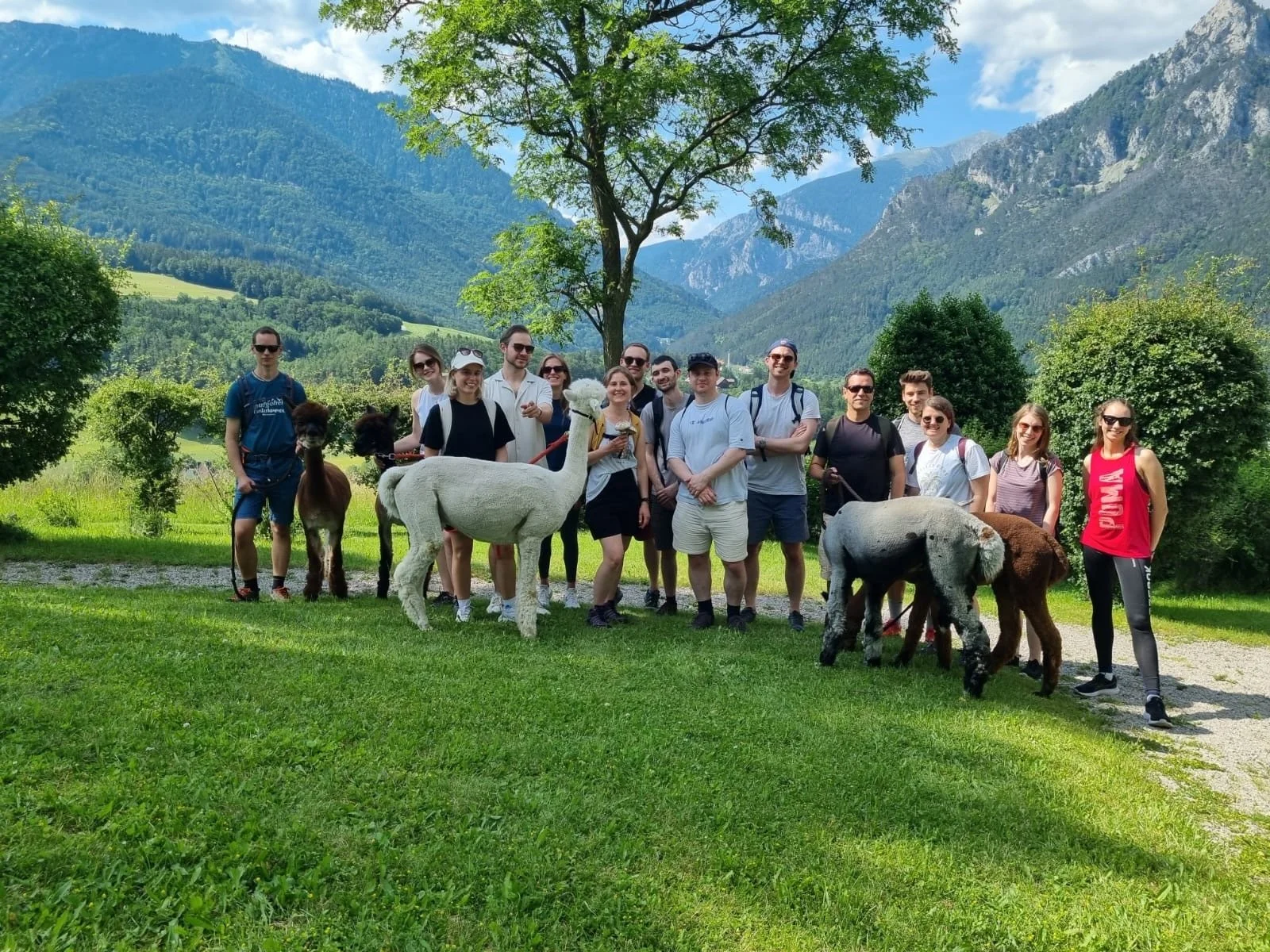
Hiking with Alpacas at the Winter lab retreat.
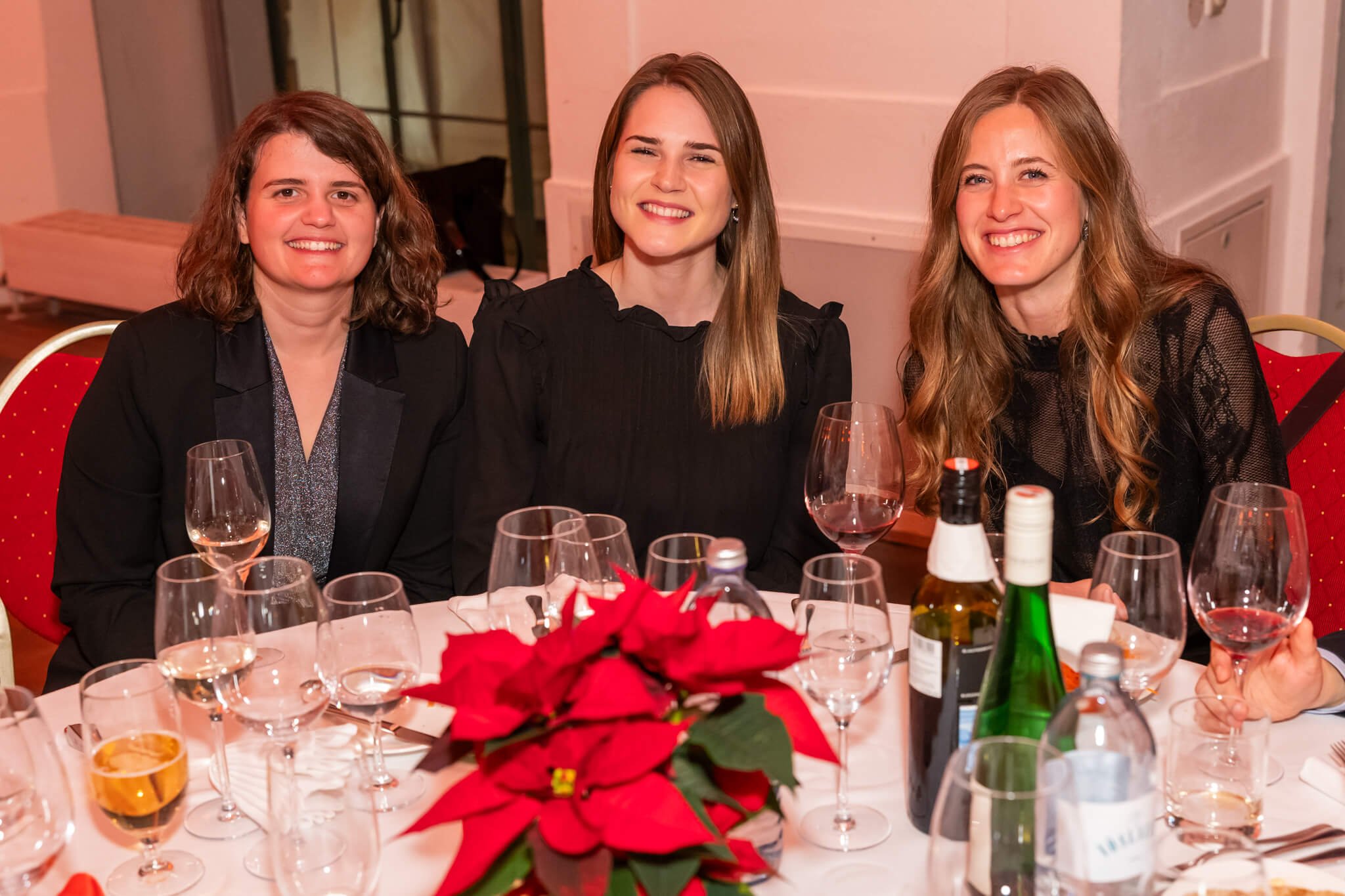
Chrysa and the Caro(s) at the fancy CeMM Christmas party.
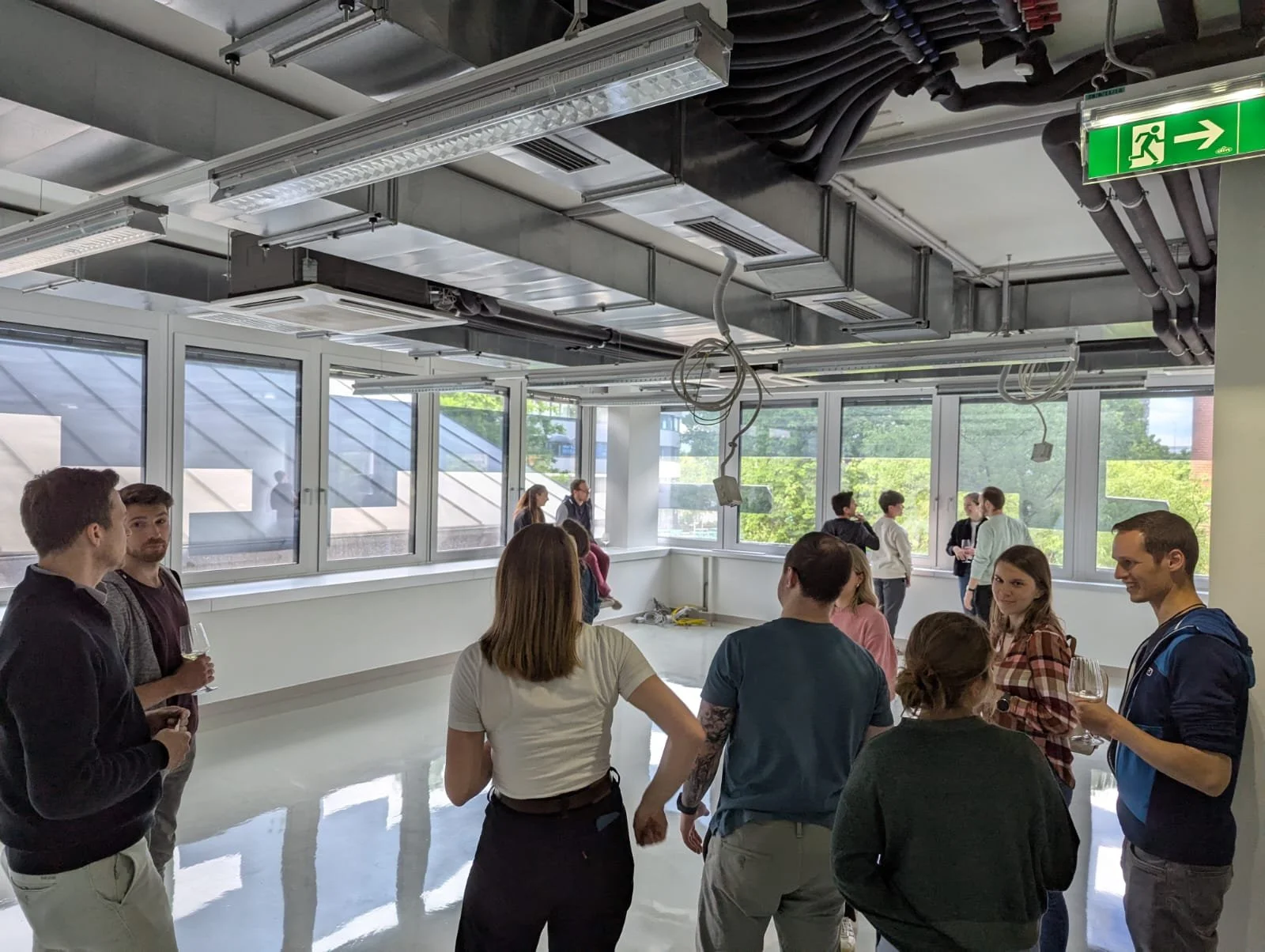
Conquering our new lab space at AITHYRA.
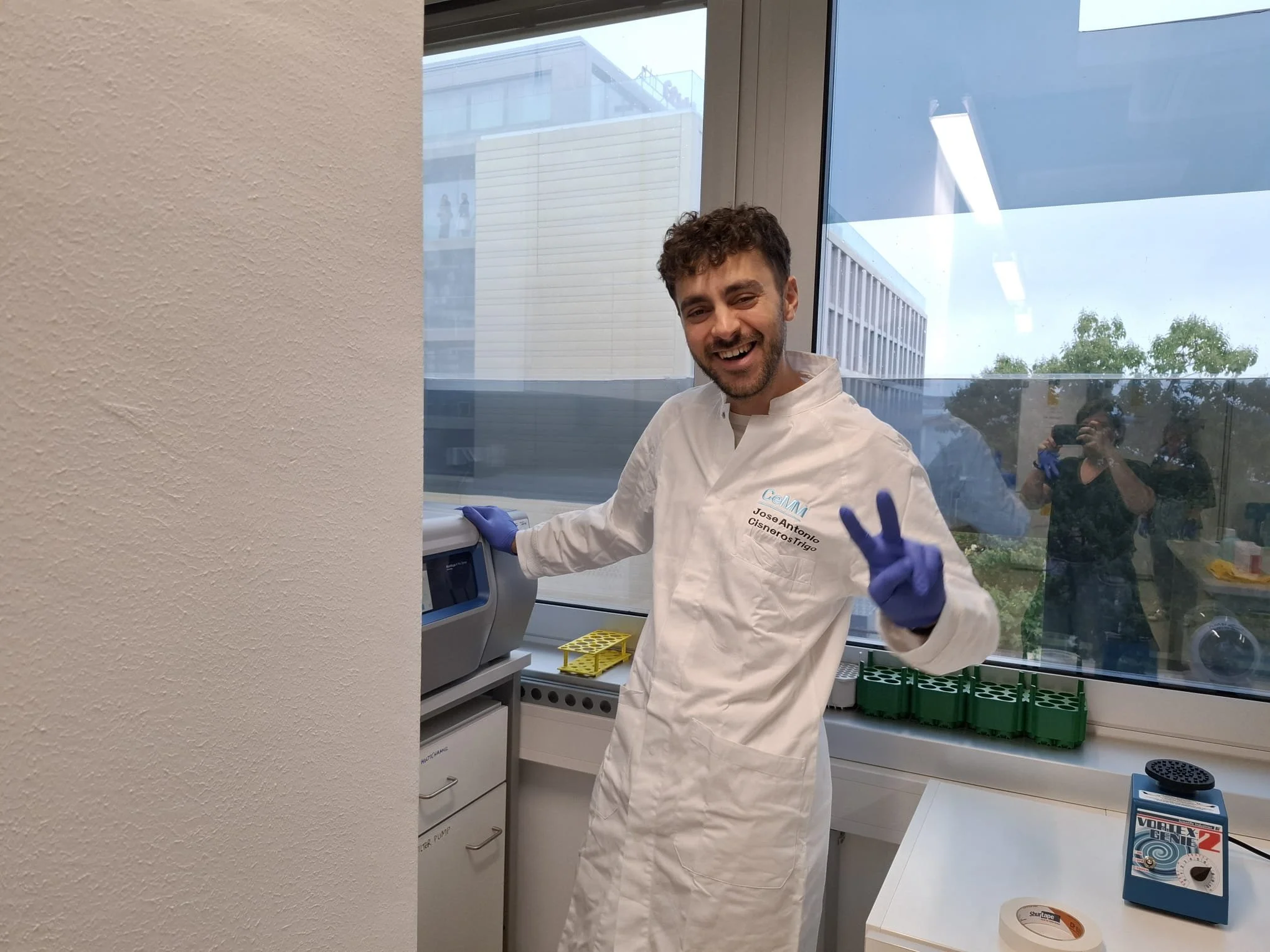
Iakovos’ transformation into a chemical biologist.
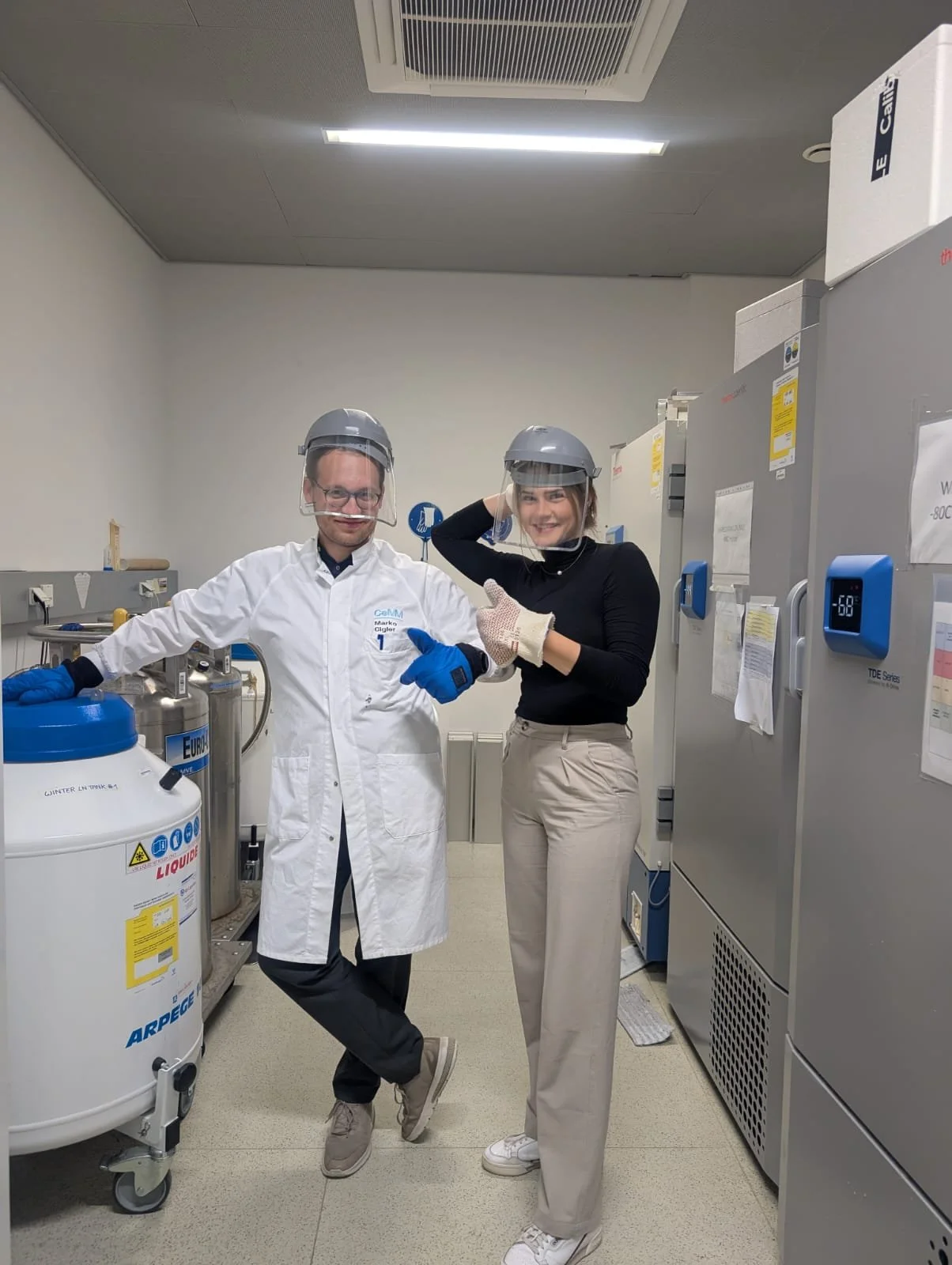
Caro and Marko demonstrating exemplary safety standards.
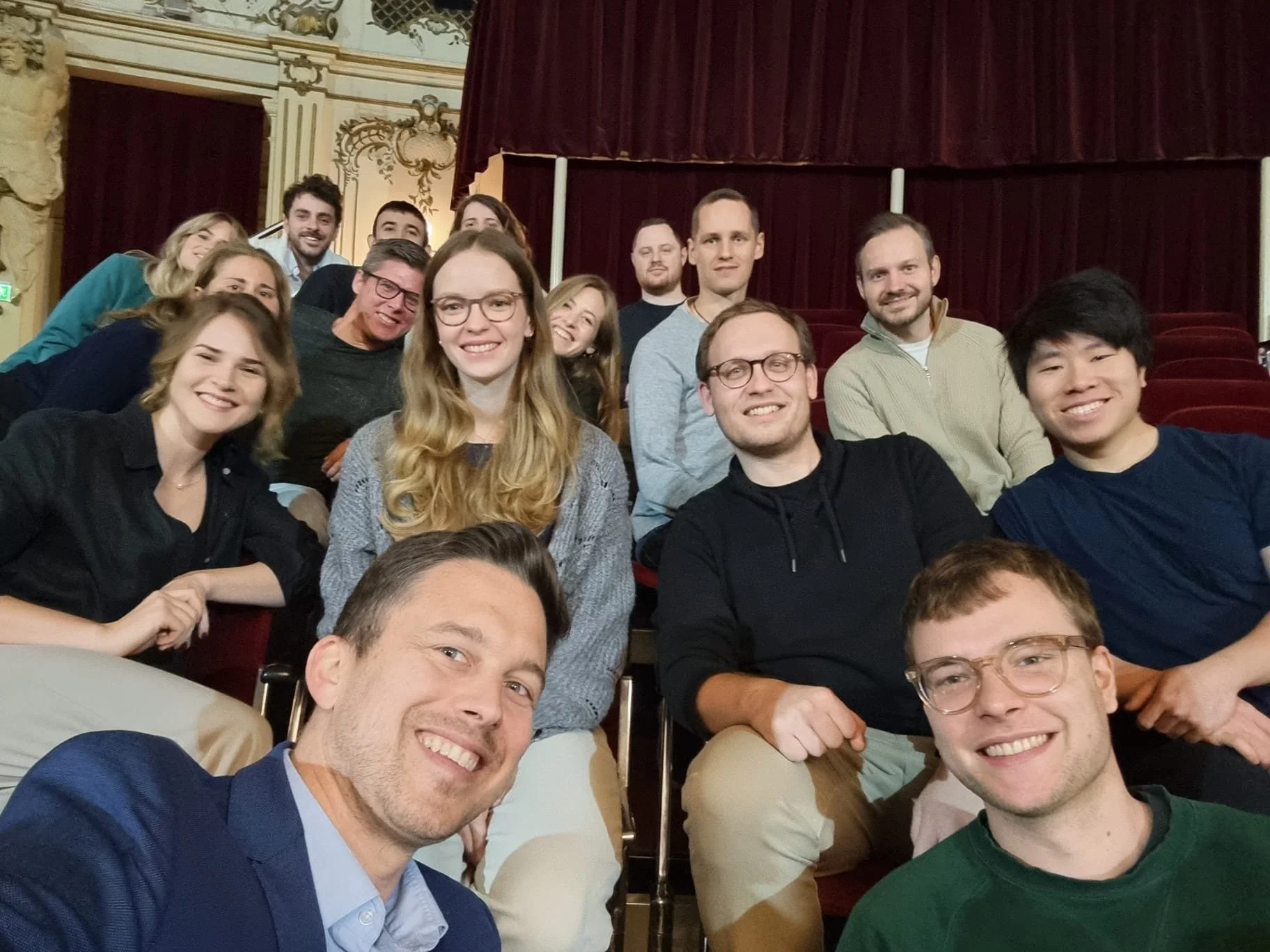
The Winter lab at the CeMM outing - Theater an der Wien.
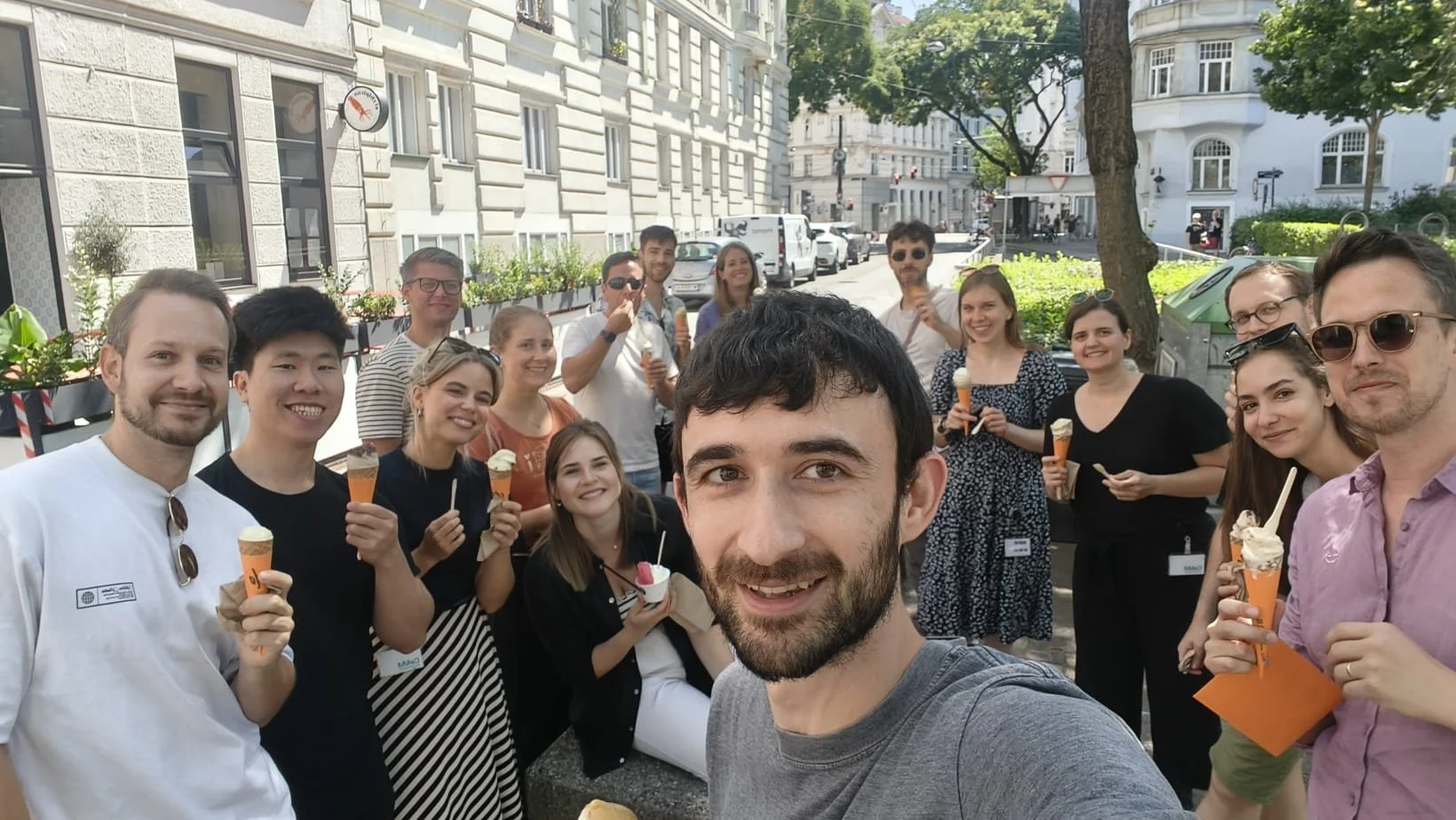
Summer time - ice cream time!
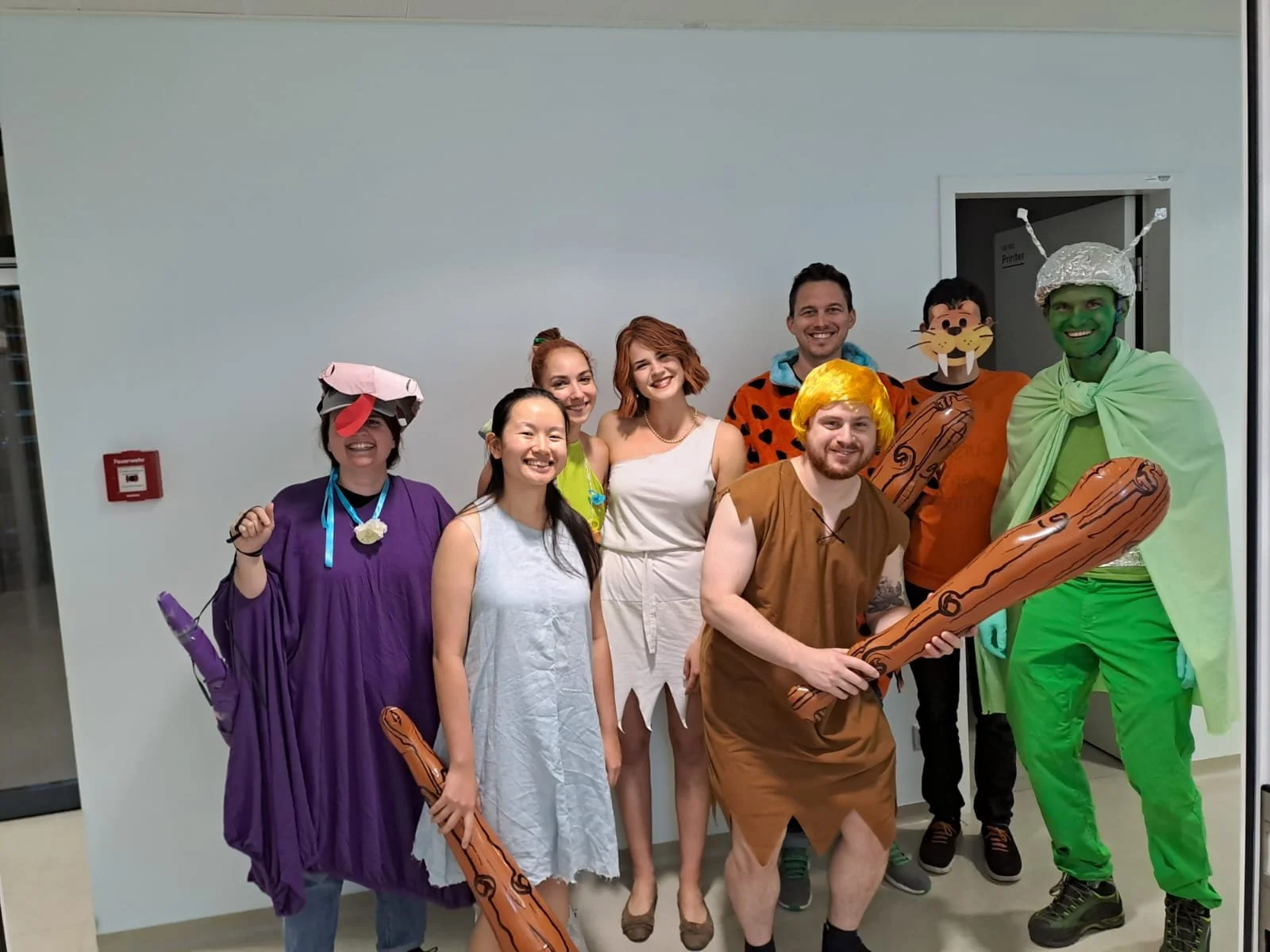
Meet the Flintstones at the Halloween party.
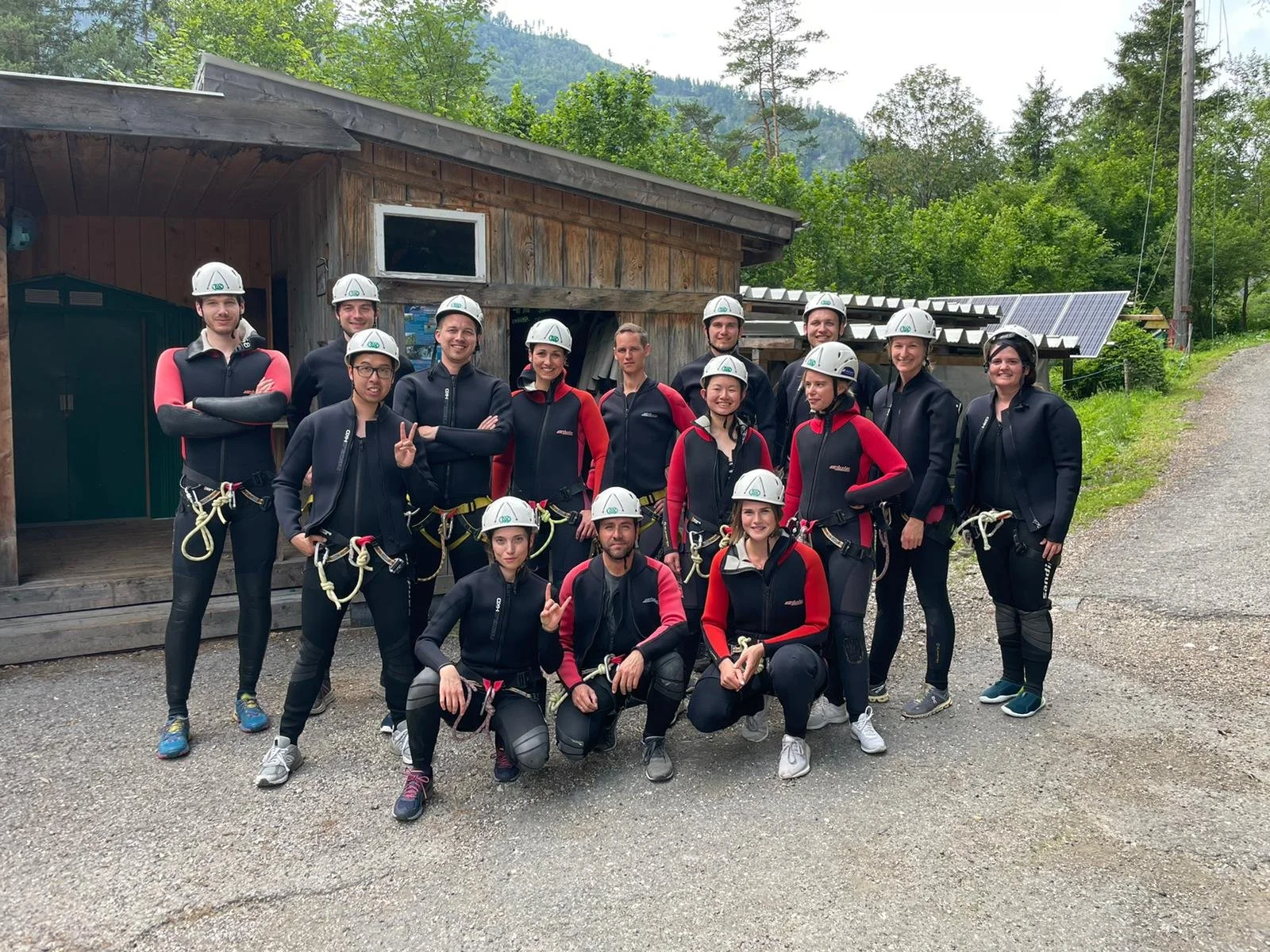
A sporty adventure.
OUR AlumNi
MIQUEL MUÑOZ I ORDONO - PhD student
NATALIE SCHOLES – Postdoctoral fellow
HANA IMRICHOVA – Postdoctoral fellow and Computational Scientist
GARY TIN – Postdoctoral fellow
FABIAN OFFENSPERGER - Postdoctoral fellow
AMANDA NG – PhD student
MARK KUDADY – Research Intern
ALEX HANZL - PhD student
ANNA SCHREMPF - PhD student
VINCENTH BRENNSTEINER - Computational Scientist
ANDREA RUKAVINA – Technical assistant
SARAH DOBNER – Technical assistant
ELEONORA BARONE – Technical assistant
ELISA HAHN – Technical assistant
MARTIN JÄGER - PhD student
SOPHIE BAUER - Technical assistant and lab manager
CRISTINA MAYOR-RUIZ - Postdoctoral fellow
MATTHIAS BRAND - PhD student
DIOGO BORGES LIMA - Computational Scientist
SOMETH CHORN – Master student
OUR Publications
(lab members are highlighted in bold)
2026
Arkin MR, Dickinson BC, Winter GE. Mapping and Rewiring Biology via Proximity Induction. Acc Chem Res. 2026 Feb 17;59(4):541-542. doi: 10.1021/acs.accounts.6c00025. PMID: 41700026.
Shaum JB, Muñoz I Ordoño M, Steen EA, Wenge DV, Cheong H, Janowski J, Hunkeler M, Bilotta EM, Rutter ZJ, Barta PA, Thornhill AM, Milosevich N, Hargis LM, Bishop TR, Carter TR, da Camara B, Hinterndorfer M, Dada L, He WJ, Offensperger F, Furihata H, Schweber SR, Hatton C, Wen Y, Cravatt BF, Engle KM, Donovan KA, Melillo B, Kitamura S, Ciulli A, Armstrong SA, Fischer ES, Winter GE, Erb MA. High-throughput ligand diversification to discover chemical inducers of proximity. Nature Chemical Biology. 2026 Feb 16. doi: 10.1038/s41589-025-02137-2. Epub ahead of print. PMID: 41699285.
Hennes E, Lucas B, Scholes NS, Cheng XF, Scott DC, Bischoff M, Reich K, Gasper R, Lucas M, Xu TT, Rossini S, Pulvermacher LM, Dötsch L, Imrichova H, Brause A, Führer S, Naredla KR, Sievers S, Kumar K, Janning P, Orabona C, Gersch M, Murray PJ, Schulman BA, Winter GE, Ziegler S, Waldmann H. Monovalent pseudo‑natural products supercharge degradation of IDO1 by its native E3 KLHDC3. Nature Chemistry 2026 Jan 7. doi: 10.1038/s41557-025-02021-5. Online ahead of print.
2025
Scholes NS, Bertoni M, Comajuncosa‑Creus A, Kladnik K, Guo X, Frommelt F, Hinterndorfer M, Razumkov H, Prokofeva P, Schwalm MP, Born F, Roehm S, Imrichova H, Santini BL, Barone E, Schätz C, Muñoz I Ordoño M, Lechner S, Rukavina A, Serrano I, Abele M, Koren A, Kubicek S, Knapp S, Gray NS, Superti‑Furga G, Kuster B, Shi Y, Aloy P, Winter GE. Inhibitors supercharge kinase turnover through native proteolytic circuits. Nature 2025 Nov 26. doi: 10.1038/s41586-025-09763-9. Online ahead of print.
Dikic I, Mayor‑Ruiz C, Winter GE, Koch K, Ciulli A, Thomä NH. Opportunities in proximity modulation: bridging academia and industry. Molecular Cell 2025 Aug 21;85(16):3012–3022. doi: 10.1016/j.molcel.2025.07.018.
Hinterndorfer M, Spiteri VA, Ciulli A, Winter GE. Targeted protein degradation for cancer therapy. Nature Reviews Cancer 2025 Jul;25(7):493–516. doi: 10.1038/s41568-025-00817
Jochem M, Schrempf A, Wagner LM, Segal D, Cisneros J, Ng A, Winter GE, Krijgsveld J. Degradome analysis to identify direct protein substrates of small‑molecule degraders. Cell Chemical Biology 2025 Jan 16;32(1):192–200.e6. doi: 10.1016/j.chembiol.2024.10.007.
2024
Bond AG, Muñoz I Ordoño M, Bisbach CM, Craigon C, Makukhin N, Caine EA, Nagala M, Urh M, Winter GE, Riching KM, Ciulli A. Leveraging dual‑ligase recruitment to enhance protein degradation via a heterotrivalent proteolysis‑targeting chimera. Journal of the American Chemical Society 2024 Dec 11;146(49):33675–33711. doi: 10.1021/jacs.4c11556.
Winter GE. Extrapolating lessons from targeted protein degradation to other proximity‑inducing drugs. ACS Chemical Biology 2024 Oct 18;19(10):2089–2102. doi: 10.1021/acschembio.4c00191.
Kagiou C, Cisneros JA, Farnung J, Liwocha J, Offensperger F, Dong K, Yang K, Tin G, Horstmann CS, Hinterndorfer M, Paulo JA, Scholes NS, Sanchez Avila J, Fellner M, Andersch F, Hannich JT, Zuber J, Kubicek S, Gygi SP, Schulman BA, Winter GE. Alkylamine‑tethered molecules recruit FBXO22 for targeted protein degradation. Nature Communications2024 Jun 26;15(1):5409. doi: 10.1038/s41467-024-49739-3.
Cigler M, Imrichova H, Frommelt F, Caramelle L, Depta L, Rukavina A, Kagiou C, Hannich JT, Mayor‑Ruiz C, Superti‑Furga G, Sievers S, Forrester A, Laraia L, Waldmann H, Winter GE. Orpinolide disrupts a leukemic dependency on cholesterol transport by inhibiting OSBP. Nature Chemical Biology 2025 Feb;21(2):193–202. doi: 10.1038/s41589-024-01614-4. Epub 2024 Jun 21.
He N, Depta L, Rossetti C, Caramelle L, Cigler M, Bryce‑Rogers HP, Michon M, Rafn Dan O, Hoock J, Barbier J, Gillet D, Forrester A, Winter GE, Laraia L. Inhibition of OSBP blocks retrograde trafficking by inducing partial Golgi degradation. Nature Chemical Biology 2025 Feb;21(2):203–214. doi: 10.1038/s41589-024-01653-x. Epub 2024 Jun 21.
Tin G, Cigler M, Hinterndorfer M, Dong KD, Imrichova H, Gygi SP, Winter GE. Discovery of a DCAF11‑dependent cyanoacrylamide‑containing covalent degrader of BET‑proteins. Bioorganic & Medicinal Chemistry Letters 2024 Jul 15;107:129779. doi: 10.1016/j.bmcl.2024.129779. Epub 2024 May 9.
Offensperger F, Tin G, Duran‑Frigola M, Hahn E, Dobner S, Ende CWA, Strohbach JW, Rukavina A, Brennsteiner V, Ogilvie K, Marella N, Kladnik K, Ciuffa R, Majmudar JD, Field SD, Bensimon A, Ferrari L, Ferrada E, Ng A, Zhang Z, Degliesposti G, Boeszoermenyi A, Martens S, Stanton R, Müller AC, Hannich JT, Hepworth D, Superti‑Furga G, Kubicek S, Schenone M, Winter GE. Large‑scale chemoproteomics expedites ligand discovery and predicts ligand behavior in cells. Science 2024 Apr 26;384(6694):eadk5864. doi: 10.1126/science.adk5864.
Hsia O, Hinterndorfer M, Cowan AD, Iso K, Ishida T, Sundaramoorthy R, Nakasone MA, Imrichova H, Schätz C, Rukavina A, Husnjak K, Wegner M, Correa‑Sáez A, Craigon C, Casement R, Maniaci C, Testa A, Kaulich M, Dikic I, Winter GE, Ciulli A. Targeted protein degradation via intramolecular bivalent glues. Nature 2024 Mar;627(8002):204–211. doi: 10.1038/s41586-024-07089-6. Epub 2024 Feb 21.
Barbosa BMG, Sfyaki A, Rafael S, José‑Duran F, Pous J, Sánchez‑Zarzalejo C, Perez‑Lopez C, Vilanova M, Cigler M, Gay M, Vilaseca M, Winter GE, Riera A, Mayor‑Ruiz C. Discovery and mechanistic elucidation of NQO1‑bioactivatable small molecules that overcome resistance to degraders. Angewandte Chemie International Edition 2024 Mar 18;63(12):e202316730. doi: 10.1002/anie.202316730. Epub 2024 Jan 18.
2023
Ng A, Offensperger F, Cisneros JA, Scholes NS, Malik M, Villanti L, Rukavina A, Ferrada E, Hannich JT, Koren A, Kubicek S, Superti‑Furga G, Winter GE. Discovery of molecular glue degraders via isogenic morphological profiling. ACS Chemical Biology 2023 Dec 15;18(12):2464–2473. doi: 10.1021/acschembio.3c00598. Epub 2023 Nov 21.
Xue G, Xie J, Hinterndorfer M, Cigler M, Dötsch L, Imrichova H, Lampe P, Cheng X, Adariani SR, Winter GE, Waldmann H. Discovery of a drug‑like, natural product‑inspired DCAF11 ligand chemotype. Nature Communications 2023 Nov 30;14(1):7908. doi: 10.1038/s41467-023-43657-6.
Winter GE, Mayor‑Ruiz C. Proximity‑inducing pharmacology. Nature Chemical Biology 2024 Jan;20(1):13–14. doi: 10.1038/s41589-023-01492-2. Epub 17 November 2023.
Kozicka Z, Suchyta DJ, Focht V, Kempf G, Petzold G, Jentzsch M, Zou C, Di Genua C, Donovan KA, Coomar S, Cigler M, Mayor-Ruiz C, Schmid-Burgk JL, Häussinger D, Winter GE, Fischer ES, Słabicki M, Gillingham D, Ebert BL, Thomä NH. Design principles for cyclin K molecular glue degraders. Nature Chemical Biology 2023 Sep 7. doi: 10.1038/s41589-023-01409-z. Online ahead of print.
Enders L, Siklos M, Borggräfe J, Gaussmann S, Koren A, Malik M, Tomek T, Schuster M, Reiniš J, Hahn E, Rukavina A, Reicher A, Casteels T, Bock C, Winter GE, Hannich JT, Sattler M, Kubicek S. Pharmacological perturbation of the phase-separating protein SMNDC1. Nature Communications 2023 Aug 16;14(1):4504. doi: 10.1038/s41467-023-40124-0.
Dvorak V, Casiraghi A, Colas C, Koren A, Tomek T, Offensperger F, Rukavina A, Tin G, Hahn E, Dobner S, Frommelt F, Boeszoermenyi A, Bernada V, Hannich JT, Ecker GF, Winter GE, Kubicek S, Superti-Furga G. Paralog-dependent isogenic cell assay cascade generates highly selective SLC16A3 inhibitors. Cell Chemical Biology 2023 Aug 17;30(8):953-964.e9. doi: 10.1016/j.chembiol.2023.06.029. Epub 2023 Jul 28.
Duran-Frigola M, Cigler M, Winter GE. Advancing Targeted Protein Degradation via Multiomics Profiling and Artificial Intelligence. J Am Chem Soc. Epub 2023 Jan 27.
Hanzl A, Barone E, Bauer S, Yue H, Nowak RP, Hahn E, Pankevich EV, Koren A, Kubicek S, Fischer ES, Winter GE. E3-Specific Degrader Discovery by Dynamic Tracing of Substrate Receptor Abundance. J Am Chem Soc. 2023 Jan 5.
Tin G, Winter GE. CIDE-stepping E3s. Nat Chem Biol. 2023 Jan;19(1):3-4.
2022
Schrempf A, Bernardo S, Arasa Verge EA, Ramirez Otero MA, Wilson J, Kirchhofer D, Timelthaler G, Ambros AM, Kaya A, Wieder M, Ecker GF, Winter GE, Costanzo V, Loizou JI. POLθ processes ssDNA gaps and promotes replication fork progression in BRCA1-deficient cells. Cell Rep. 2022 Nov 29;41(9):111716.
Hanzl A, Casement R, Imrichova H, Hughes SJ, Barone E, Testa A, Bauer S, Wright J, Brand M, Ciulli A, Winter GE. Functional E3 ligase hotspots and resistance mechanisms to small-molecule degraders. Nat Chem Biol. 2022 Nov 3.
Peter B, Eisenwort G, Sadovnik I, Bauer K, Willmann M, Rülicke T, Berger D, Stefanzl G, Greiner G, Hoermann G, Keller A, Wolf D, Čulen M, Winter GE, Hoffmann T, Schiefer AI, Sperr WR, Zuber J, Mayer J, Valent P. BRD4 degradation blocks expression of MYC and multiple forms of stem cell resistance in Ph+ chronic myeloid leukemia. Am J Hematol. 2022 Sep;97(9):1215-1225.
2021
Müller S., Ackloo S, ..Winter GE, Workman P, Arrowsmith CH. Target 2035 - update on the quest for a probe for every protein. RSC Med Chem. 2021 Dec 3;13(1):13-21.
Zumer K, Maier KC, Farnung L, Jaeger MG, Rus P, Winter G, Cramer P. Two distinct mechanisms of RNA polymerase II elongation stimulation in vivo. Molecular Cell. 2021 Aug 5;81(15):3096-3109.e8.
Scholes NS, Mayor-Ruiz C, Winter GE. Identification and selectivity profiling of small-molecule degraders via multi-omics approaches. Cell Chemical Biology, 2021 Mar 29:S2451-9456(21)00146-X. doi: 10.1016/j.chembiol.2021.03.007. Online ahead of print.
Kiely-Collins H, Winter GE, Bernardes GJL. The role of reversible and irreversible covalent chemistry in targeted protein degradation. Cell Chemical Biology, 2021 Mar 25: S2451-9456(21)00144-6. doi: 10.1016/j.chembiol.2021.03.005. Online ahead of print.
Jaeger MG, Winter GE. Fast-acting chemical tools to delineate causality in transcriptional control. Molecular Cell, 2021 Mar 4:S1097-2765(21)00125-8. doi: 10.1016/j.molcel.2021.02.015. Online ahead of print
Schick S, Grosche S, Kohl KE, Drpic D, Jaeger MG, Marella NC, Imrichova H, Lin JG, Hofstätter G, Schuster M, Rendeiro AF, Koren A, Petronczki M, Bock C, Müller AC, Winter GE, Kubicek S. Acute BAF perturbation causes immediate changes in chromatin accessibility. Nature Genetics, 2021 Feb 8. doi: 10.1038/s41588-021-00777-3.
2020
Mayor-Ruiz C, Bauer S, Brand M, Kozicka Z, Siklos M, Imrichova H, Kaltheuner IH, Hahn E, Seiler K, Koren A, Petzold G, Fellner M, Bock C, Müller AC, Zuber J, Geyer M, Thomä NH, Kubicek S, Winter GE. Rational discovery of molecular glue degraders via scalable chemical profiling. Nature Chemical Biology, 2020 Aug 3. doi: 10.1038/s41589-020-0594-x
Berger M, Knittl-Frank C, Bauer S, Winter GE, Maulide N. Application of Relay C-H Oxidation Logic to Polyhydroxylated Oleanane Triterpenoids. Chem 2020, https://doi.org/10.1016/j.chempr.2020.04.007
Jaeger MG, Schwalb B, Mackowiak SD, Velychko T, Hanzl A, Imrichova H, Brand M, Agerer B, Chorn S, Nabet B, Ferguson FM, Müller AC, Bergthaler A, Gray NS, Bradner JE, Bock C, Hnisz D, Cramer P, Winter GE. Selective Mediator dependence of cell-type-specifying transcription. Nature Genetics. 2020 Jun 1. doi: 10.1038/s41588-020-0635-0. Online ahead of print.
Bensimon A, Pizzagalli MD, Kartnig F, Dvorak V, Essletzbichler P, Winter GE, Superti-Furga G. Targeted degradation of SLC Transporters reveals amenability of multi-pass transmembrane proteins to ligand-induced proteolysis. Cell Chemical Biology. 2020 Apr 18. pii: S2451-9456(20)30117-3. doi: 10.1016/j.chembiol.2020.04.003.
Hanzl A, Winter GE. Targeted protein degradation: current and future challenges. Current Opinion in Chemical Biology. 2020 Jan 2;56:35-41. doi: 10.1016/j.cbpa.2019.11.012.
2010 - 2020
Erb MA, Scott TG, Li BE, Xie H, Paulk J, Seo HS, Souza A, Roberts JM, Dastjerdi S, Buckley DL, Sanjana NE, Shalem O, Nabet B, Zeid R, Offei-Addo NK, Dhe-Paganon S, Zhang F, Orkin SH, Winter GE, Bradner JE. Transcription control by the ENL YEATS domain in acute leukaemia. Nature. 2017 Mar 9;543(7644):270-274. PMID: 28241139
Winter GE, Buckley DL, Paulk J, Roberts JM, Souza A, Dhe-Paganon S, Bradner JE. DRUG DEVELOPMENT. Phthalimide conjugation as a strategy for in vivo target protein degradation. Science 2015. Science 348, 1376-81. PMID: 25999370
Vacancies.
We are always looking for highly motivated, creative scientists with a strong background in molecular and cell biology, chemistry or computational biology.
If you want to join us:
As a PhD student, please apply to the AITHYRA/CEMM PhD Program.
As a Postdoctoral fellow, please get in touch, we are always excited to hear new ideas and discuss potential projects.
How to contact us.
Do you want to collaborate with us?
Do you need help with/access to tools we have generated?
Contact us: gwinter@aithyra.ac.at
Where to find us.
AITHYRA
Research Institute for Biomedical Artificial Intelligence of the Austrian Academy of Sciences
Helmut-Qualtinger-Gasse 2, Stg. 2
A-1030 Vienna